


The visit to Yellowstone and Grand Teton National Parks started a bit far from the park entrance: in Salt Lake City (Utah). It is not that we wanted to cross several states to reach Yellowstone, but it was the closest main airport to fly to/from.
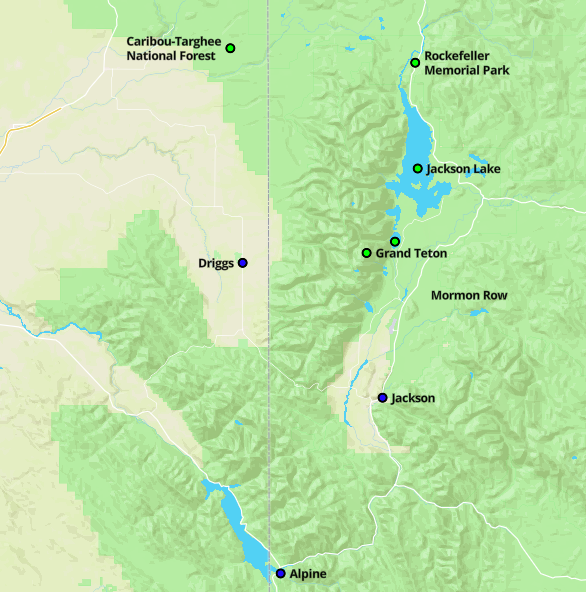
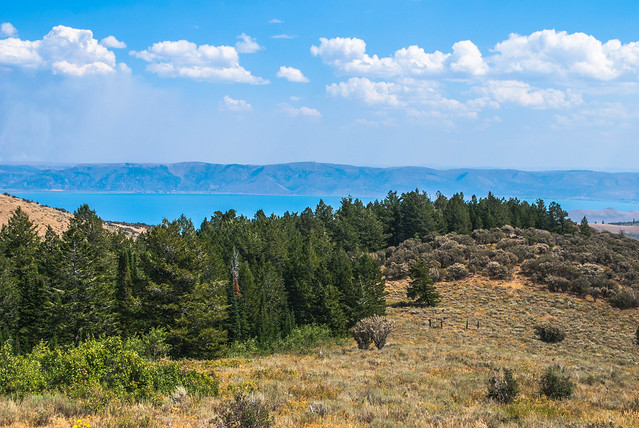
We drove North through he US-89, which soon took us to Bear Lake, a popular holiday destination for locals. Garden City is its capital, and we could see in the atmosphere that people were enjoying their free time: a big offering of nautical activities, and many families enjoying their last day before kids returned to school. Before crossing to Wyoming State, we were surprised with the names of the towns that we crossed or passed nearby: Paris, Montpellier or Geneva. That gave us an idea of where the first European settlers in this area came from.
The first stop was in Alpine, where we had the idea of having an early lunch (bear in mind that when you travel West your days start really early, due to jet lag), but we had to accept a late brunch instead, as the place we stopped in was very strict with timings and offerings. We stopped in a place called Yankee Doodle, which is like a museum, overdoing the Americanism (as in “white male, loving the Army, and the weapons”) probably looking for tourists (as ourselves) and their pictures, but with a not very “clean” background.
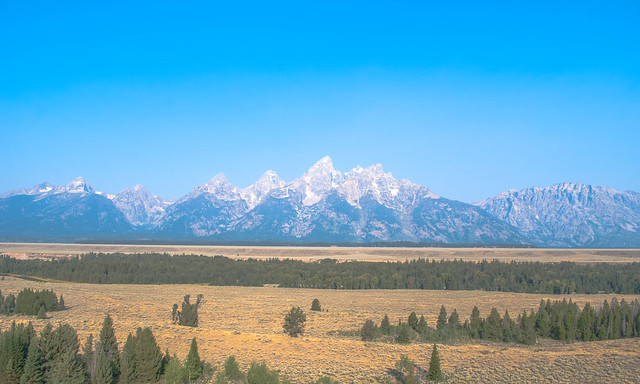
We continued our trip to the North, following the beautiful road next to the Snake River bed, to reach the first real destination in the trip: the Grand Teton National Park. We only had some time left during that afternoon so we enjoyed the view of the three “Teton” from the distance. The three Teton are just three beautiful mountains with glaciers, that got their name from some French explorers that missed women too much after some months of exploration.
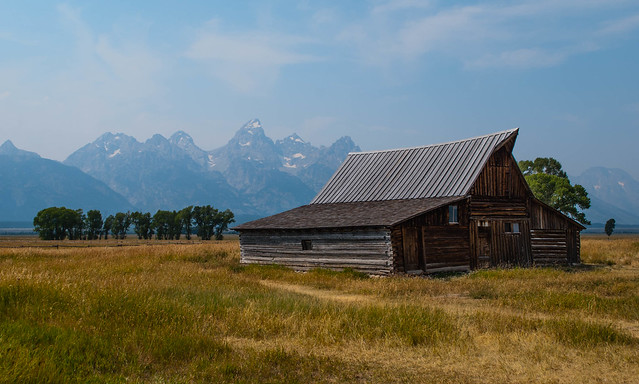
In front of the Grand Teton, we visited the Mormon Row, a street outside the National Park with several buildings made by a mormon community in the early 20th Century. Some farms and houses, which had been used till 1950, and which combine with the Teton range on their back, made it a very pleasant first contact with the Natural Parks in this trip.
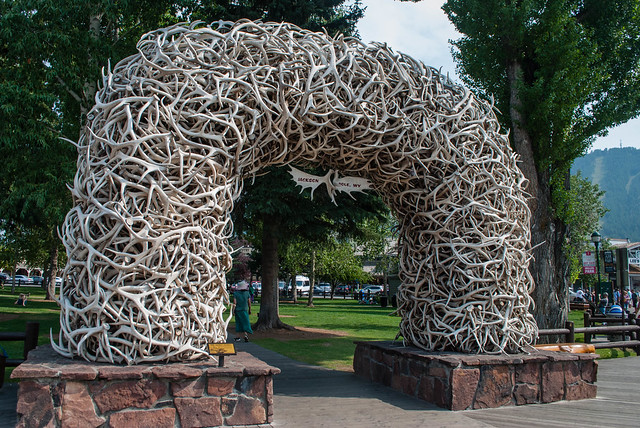
After this first brief encounter, we returned back to Alpine, our base for that night, visiting Jackson on our way back. Jackson is a very popular destination in Winter, with its ski resort, and was a key place a couple of centuries ago. They still try to keep the spirit of a Western town, with its saloon, and a park whose entrance gates are made of 7500 elk antlers. Nevertheless, for me, it was just a tourist resort, where you can of course buy cowboy hats starting from $60.
During the whole week, jet lag kept affecting us so hard, that we hit the road so early it made no sense to have breakfast near our accommodation. So we started driving and had breakfast in route, or near the destination of each day. That proved to be a good strategy as we discovered a couple of places to have breakfast that were better than the average. The one we discovered in Jackson on our way back to Grand Teton, The Bunnery, was a good example: nice people attending, decent coffee (Starbucks’) and a proper American breakfast to kick off the real day.
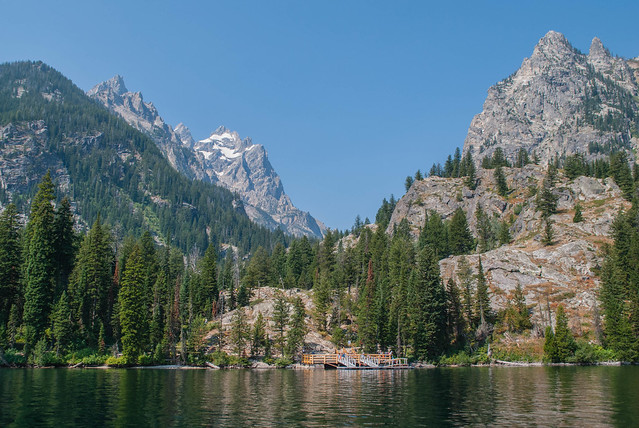
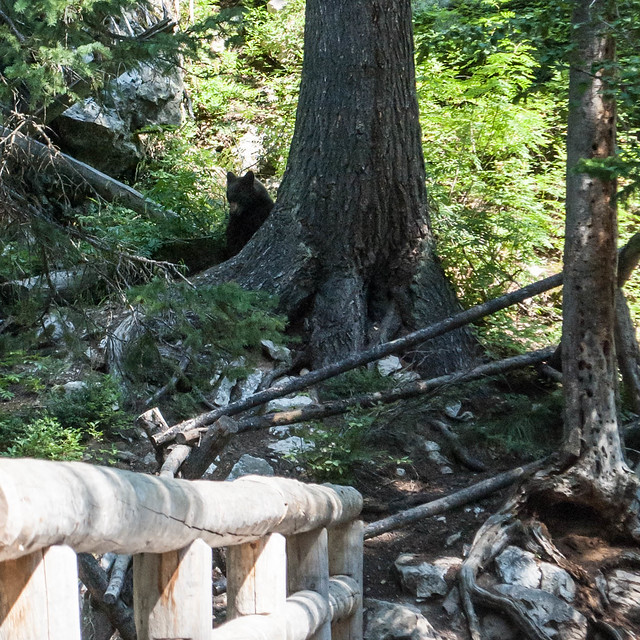
This time, when we arrived to the Grand Teton National Park, we headed into the Park itself. The day was clearer than the day before, and views were breathtaking. We parked the car near Jenny Lake, took a boat to go closer to the mountains, where we wanted to do some hiking. That was not proper hiking, as there were too many people, of all ages, and of all kind of physical states, that blocked the well paved paths. Our intention was to climb to a place called “Point of Inspiration”, but we changed our mind short after enjoying the Hidden Falls… a family warned us of a black bear that was less than 50 metres from us, eating berries very calm. After assessing the situation for a few seconds, we started to walk back to the boat as fast as we could… No need to risk.
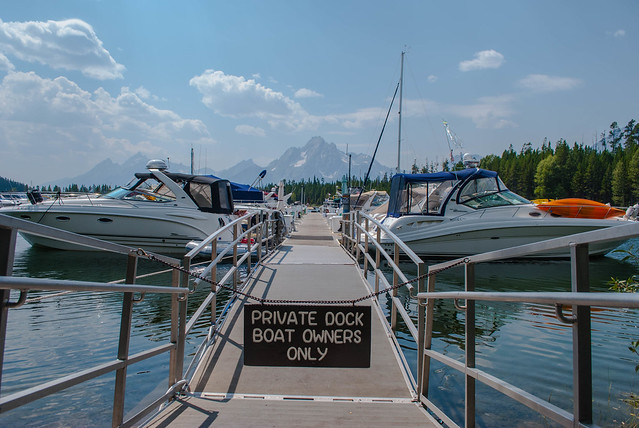
The visit abruptly continue to Jackson Lake, where we did a picnic for lunch, and could see the first amish of the trip. We were surprised they were using the laundry, but after some reading on the Internet, we learned that there are different degrees of technology adoption/acceptance within the Ami community. Each community votes about their own rules, under the same general principles, and that leads to these differences. Apart from this knowledge, Jackson Lake provided us a nice walk around it, and we also saw some people at the beach, a nice marina (always a plus), and yet another sight of the Teton range from a different angle.
That night our accommodation was in a different state: Idaho, in a small town called Driggs. We followed the indications of one our navigation apps, and that was probably the biggest mistake in the whole trip. We suffered two hours of sand & rocks mountain roads, crossing the Rockefeller Memorial Park and the Targhee National Forest. The first named after famous business man, as he both a vas amount of land, which he later on donated to expand the current Grand Teton National Park.
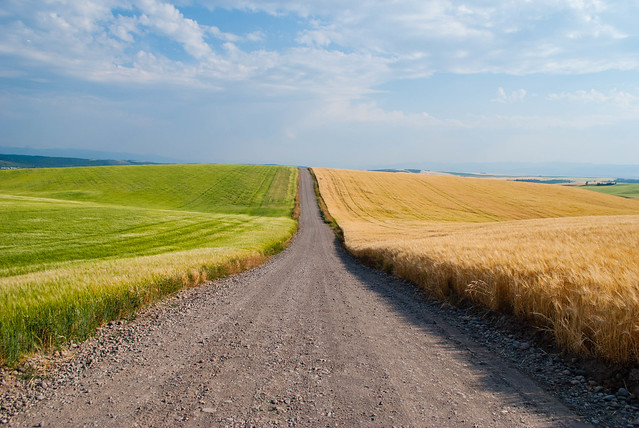
Although those parks seemed to be interesting on the paper, the path was far from being a scenery one. We stopped in a lake, where there was only a suspicious man having a nap, we crossed a dam made our of stones, and two women in a big car asked us whether we were lost. We should have driven back to Jackson and then North-West through proper roads. It would have taken the same time more or less.
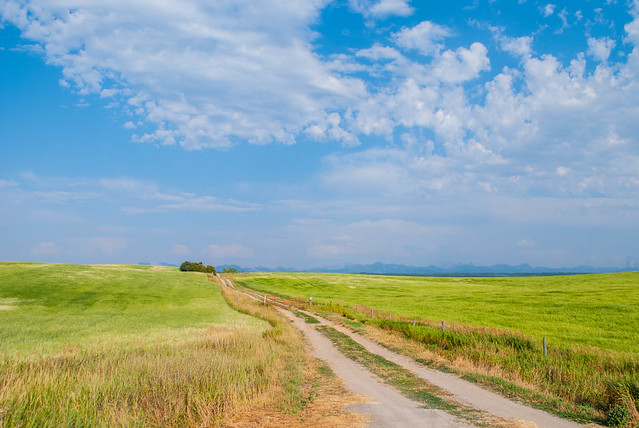
The small town where we stayed happened to have a nice tavern with a terrace, where we enjoyed a nice dinner at sunset, recovering from the tough afternoon drive.
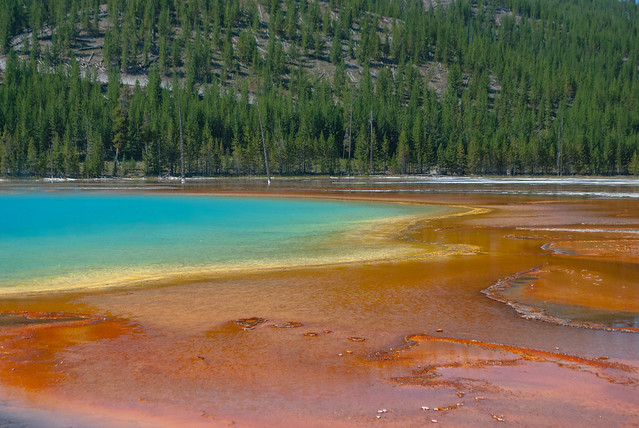
Yellowstone is a familiar name for anyone my age in Spain, as we had those famous cartoons of Yoggi Bear and his friend Bubu, who lived there, making the life impossible to the many campers, visitors and forest guards,… and that was one of the closest National Parks near Chicago, where I had to travel for other reasons. Moreover, reading this is a volcanic area, and having missed a trip to Iceland in the past, this was tailor-made opportunity to get to see some the particular landscapes and spots of such area. Decision was quite easy to made.

Trip organization came a bit too late, and that entailed some logistics issues when visiting a (very) popular destination in high season (August): there was no affordable accommodation in the park, and we could only find reasonable prices at 2-hour drive locations. This ended up being a bit tiring, but driving in these wide areas in the US is also a very enjoyable activity, as the landscapes in the huge valleys make it worth it.
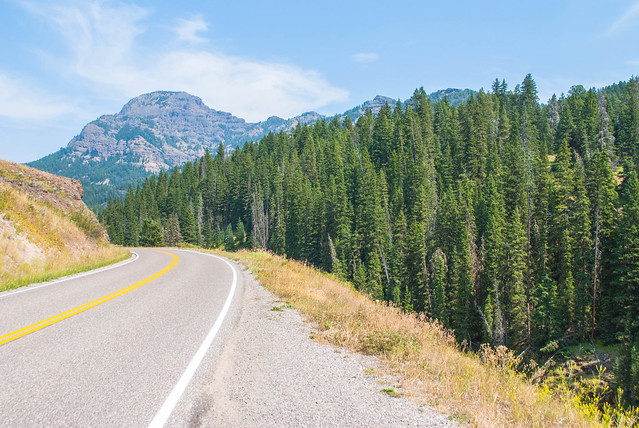
We drove through 3 of the 7 states with the highest rate cattle/person: Montana (#3), Wyoming (#5) and Idaho (#7). Driving forth and back, we saw many latifundia devoted to agriculture or ranching, and countless cows. We were in the West, where many of the movies were based, although instead of riding a horse, were driving a large Nissan through the endless straight roads, with only some scattered and isolated houses at the hills’ slopes. These places looked quite scary to live in (too many terror movies, maybe?), but even worse when we saw some active fires. We could count at least four different ones, so big that its smoke reached many hundreds of miles apart, ruining some views (and many pictures) in the park.
One of the many cool things about these roadtrips is spotting different state license plates in the cars. For those who may not know it, each state has a different design, which is also part of their own branding, with slogans like “Scenic Idaho”, “Life Elevated” (Utah), or “Treasure State” (Montana).
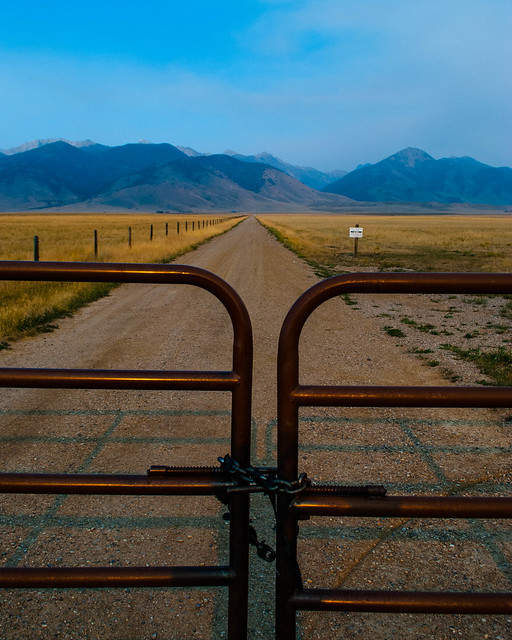
We visited two National Parks (Grand Teton and Yellowstone), two National Forests (Shoshone and Targhee), four states (Utah, Wyoming, Idaho and Montana), and many many kilometres… but it was really interesting. (more posts coming…)
When Greece became a travel destination for me and the islands were discarded (I will eventually go back there to sail them), my fear was to start visiting too many ruins, which I might not find interesting. I seldom normally like archeological museums, and I kind of thought this might be similar… I was completely wrong. Seeing the ruins in the actual locations made a complete different experience for me.
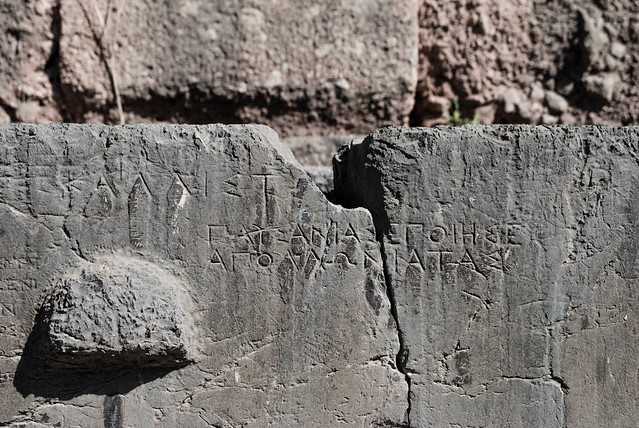
Delphi was the first one of these ruins. We arrived the night before to the town which has emerged to accommodate services for the visitors of the ruins of Ancient Delphi, the main temple in the Ancient Greece. This was a pilgrimage destination for those who wanted to consult the oracle, in this sanctuary located in a wonderful place, on a hillside facing East, of course.
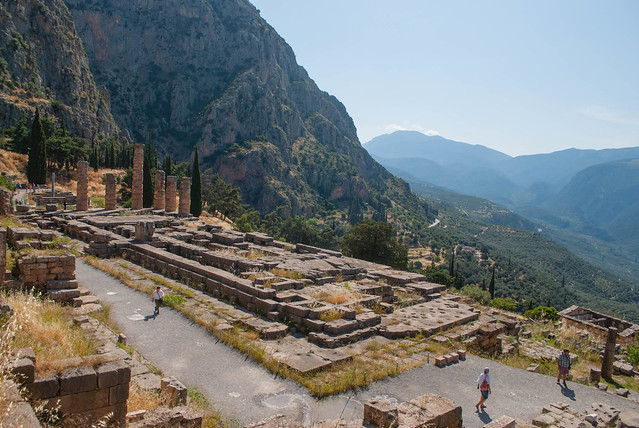
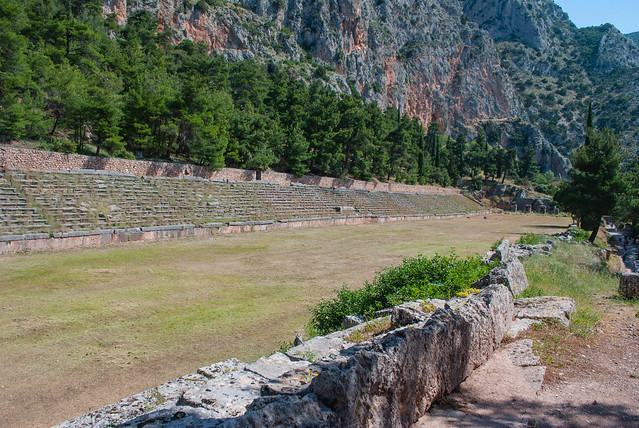
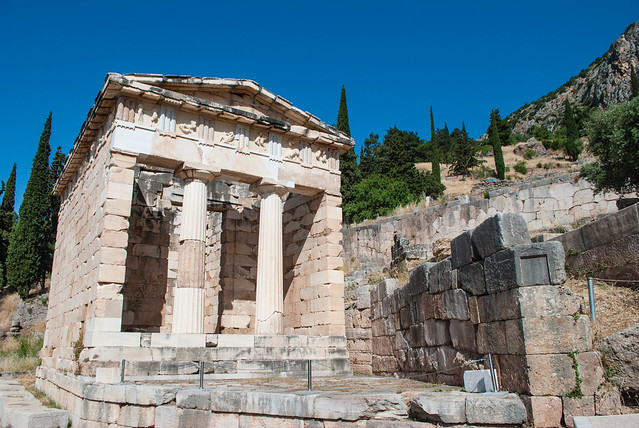
According to the Greek Mythology, Delphi is the center of the World, and home of the oracle. The oracle was consulted by many people in their decisions. From marriage or merchant decisions made by regular people, to wars or alliances consultancy made by emperors and kings. The oracle spoke through the sybil (a priestess), who entered in trance and communicated with the oracle who then translated it to the people. Delphi had a huge temple devoted to Apollo (the God for fortune teller among other “responsibilities”), and it received gifts from every Greek city and state, who wanted to please the Gods. These gifts had the shape of small temples which kept the treasures. Only some remains are still in place, but you can still imagine how impressive entering in that place was. Delphi still preserves part of its stadium and theatre, where the worshippers probably had some leisure before returning to their homes.
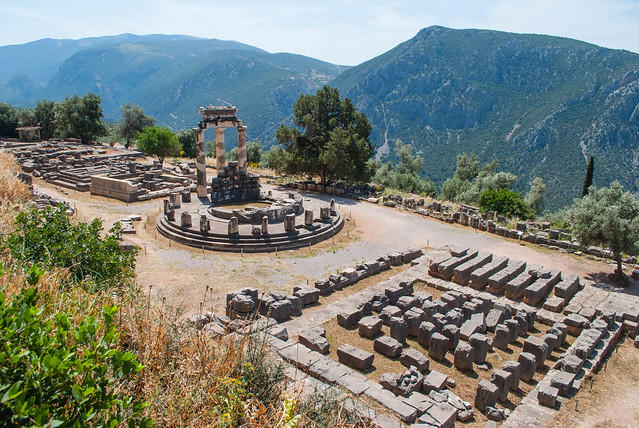
On our way out from Delphi, we also visited the Athena Pronae temple, devoted to Athena, which is the Goddess for fertility, health and wisdom. This was normally the first stop before reaching Delphi, and it also had plenty of small temples/treasures by the different cities, like the main temple.
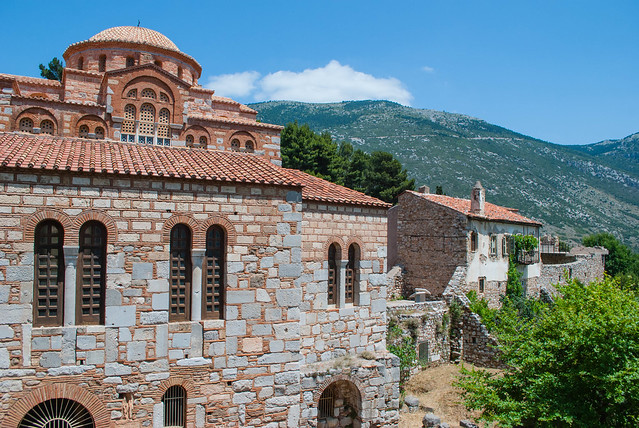
Further South, we took a small detour to visit the Hosios Lukas monastery from the byzantine times, also a World Heritage Site. This monastery is still active, and the monks can be seen doing daily activities like watering the plants, in an very well preserved monastery in a calm and peaceful environment.
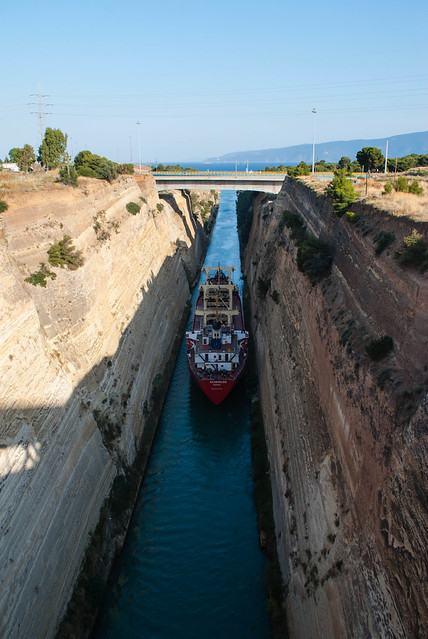
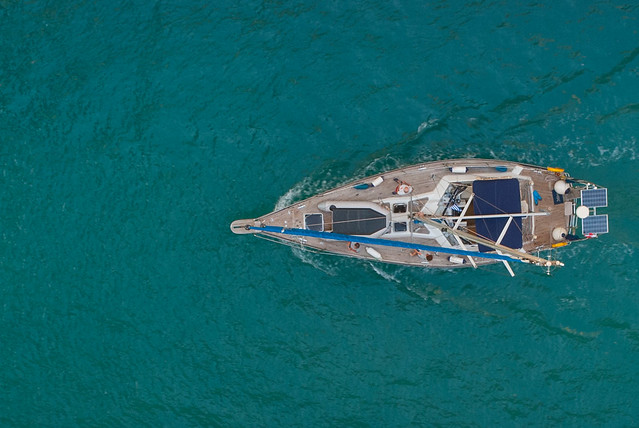
Before arriving to Nafplio, we had to cross the Corinth Canal, and as engineers, we spent a good time there. We observed the operations of the boats crossing from one side to the other, some without assistance (sailing boats, yachts), some with a tugboat (merchant ships). I had not seen before such a big canal, and I must admit I was impressed. Talking about Canals, this is not big neither in width (21 m) nor in length (6 km), although its depth is quite something (45 m). It made somehow sense that some of the former rulers in Greece came with the idea of this canal already in the 7th century BC, although it was not carried out till the late 19th century… because building a canal is not an easy job in any circumstance.
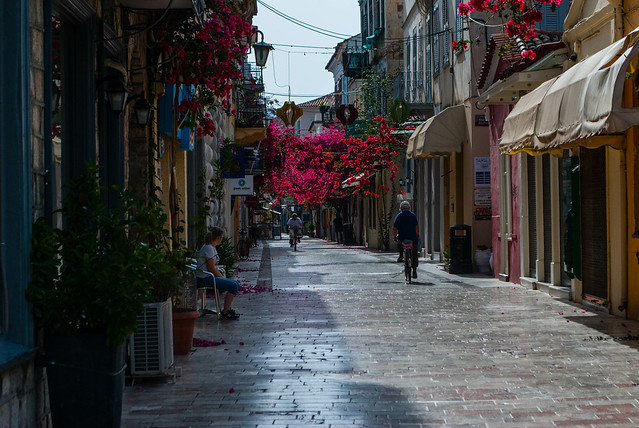
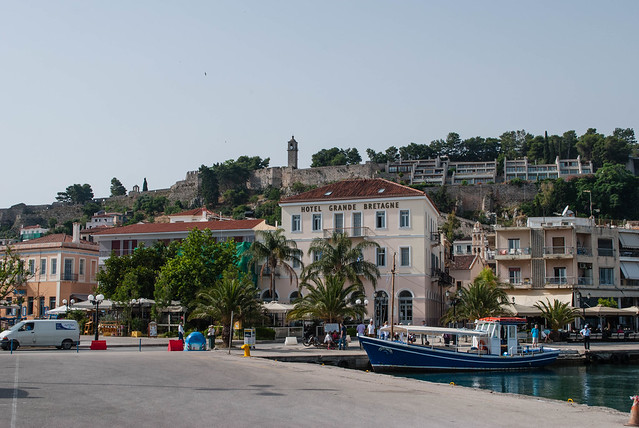
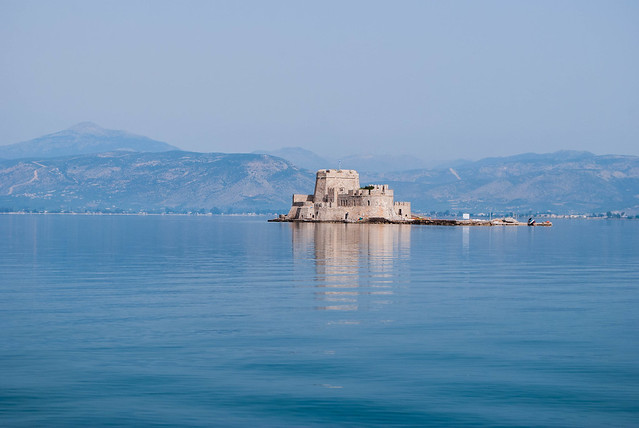
After our first experience with ruins and having had fun at the canal, our next stop was Nafplio, which was a major contrast from the earlier ruins. Nafplio is the ancient capital of Greece, and the first things that arises your attention is the Venetian influence in its architecture. When I started walking around, it reminded me to the ambiance in Ibiza (in the town) during summer, with the people just willing to enjoy, do shopping, and eat in the terraces of the restaurants, under the beautiful bougainvillea that bring color to the streets. The city is heavily fortified: it has two fortress on top of the nearby hill, and one at the entrance of the port. The port is not very busy in terms of boat traffic, and has not many services. I was surprised to see that the sailing boats used the anchor inside the port, as there was no buoy.
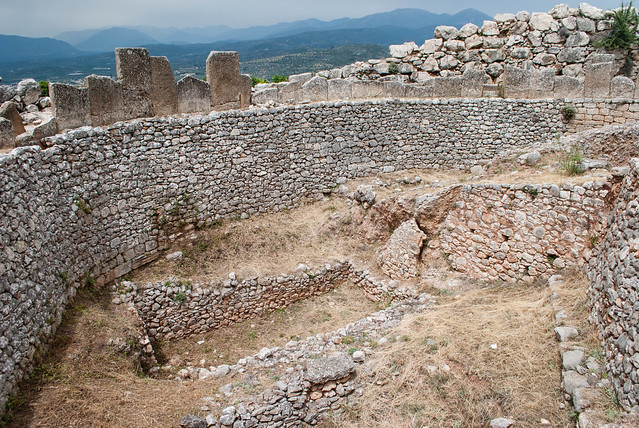
Nafplio would not have probably been part of our itinerary if it did not have nearby the Mykenes city remains. This city was much older (15th century BC) than the Delphi or any other temple built in the Golden Age of Greece, and the conservation status is also worse. Still, some advanced engineering features could be seen, like the cistern to collect water, which we could almost see in action, thanks to a sudden storm that caught us inside it.
After Nafplio, we went back towards Athens, surrounding it during the rush hour, as we headed East through the Apollo Coast. This is the holiday and weekend destination of the Athens people, as it is nearby, and the high standards can be seen. We saw many private beaches, lots of private marinas with huge boats, and the space became less busy and inexpensive as we got away from Athens.
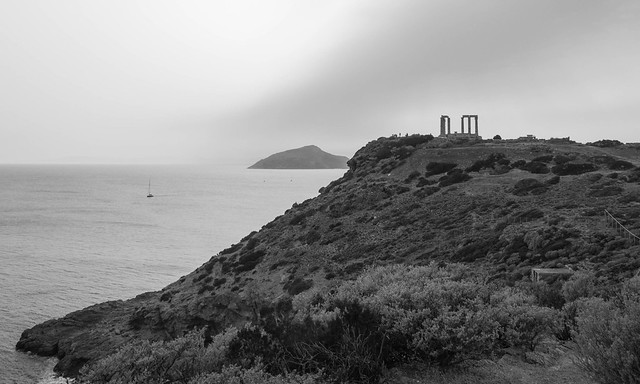
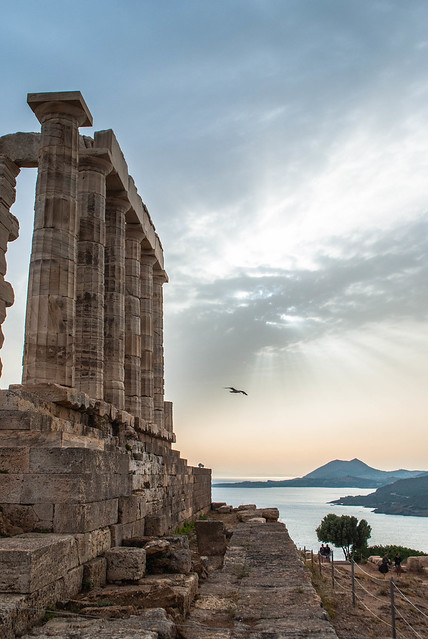
The whole reason behind this tour was to reach the Temple of Poseidon, in Sounion. The sunset there must be amazing, but we were unlucky with the clouds. In any case, with or without sunset, the location of this temple was also breathtaking on top of a hill in a cave, with a gorgeous view of the seas, very appropriate for the God of the Seas. Perfect last sight before returning to Athens…
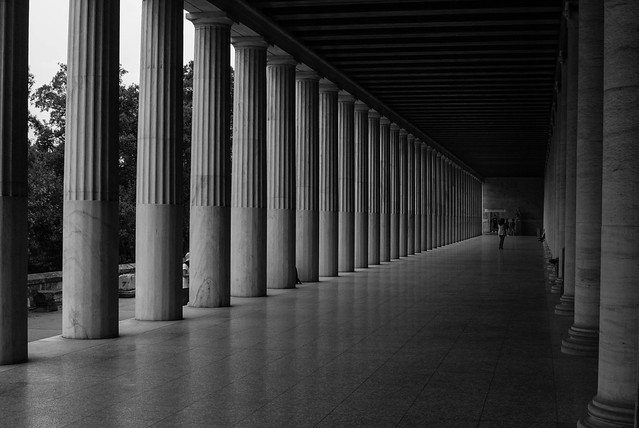
After many small towns and lots of driven kilometres, finally staying for a few days in a city felt like heaven. Unfortunately, I did not have enough time to feel the city vibe as I would have liked. I have the feeling I saw the main spots, but have not experienced the city enough, which seems to be also an interesting part of Athens.
The musts in Athens include of course the Parthenon, which is unfortunately always packed with tourists (even at early times), the nearby Roman Agora, and the most impressive Ancient Agora, which is the old Greek city.
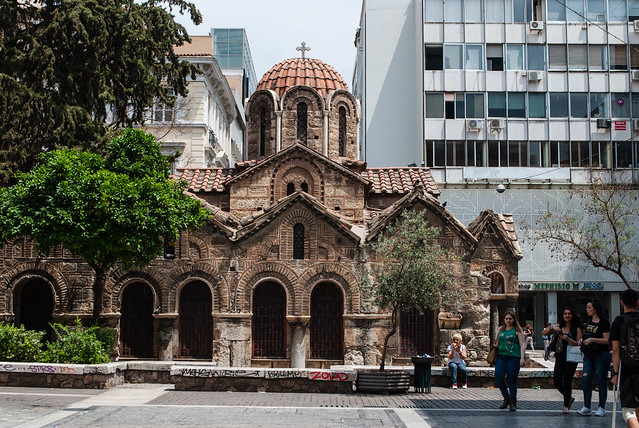
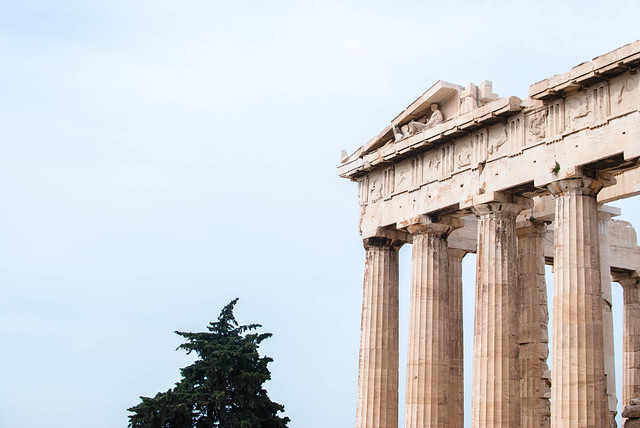
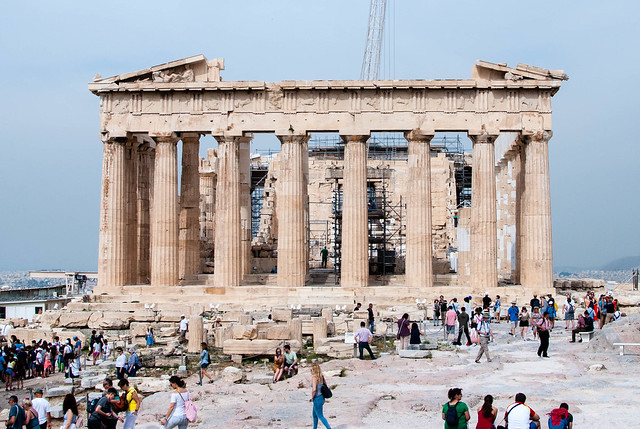
If you have not been to Greece, go there. Take some time to explore the Ancient Greece sites. They will not deceive you.
Greece is very well known for their islands and beaches, as a sun&sand destination, but those are not my typical motivations when travelling to a new destination for the moment. Instead, our visit to Greece, which would end in a conference in Athens, would not take us to the beaches but to another less popular part of Greece nowadays, but the most vibrant part in the World centuries ago.

Greece was home of the civilisation as we know it today. The Western culture, and in particular the European one, is heavily influenced by the Ancient Greek Culture, in spite of the many centuries that have passed, and the long distance that separate us. Greeks were pioneers in the use of the democracy, the philosophy, the science, and the arts 2500 years ago.
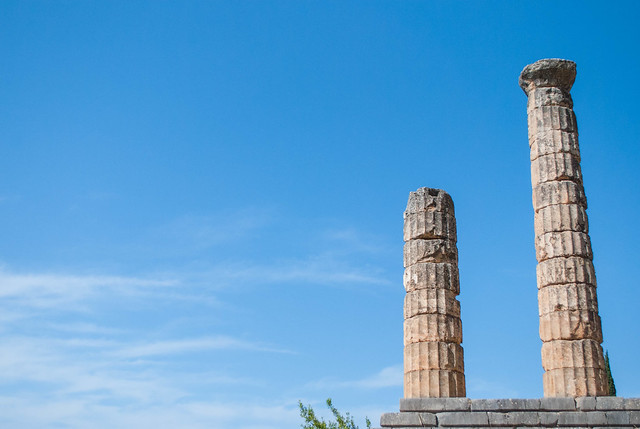
Many of the names then famous remain still today key to understand the World, and their works remain valid. Just to name a few: Aristotle, Plato, Socrates, Sophocles or Pythagoras are for sure well known to you. Their footprint in Maths was so important, that their alphabet is still used today as the default one for scientific writing. Visiting the places where they inhabited, and understanding their traditions and mythology was one of the goals of this trip, while enjoying some nature beauties of this Mediterranean country.

Our flights arrived in the afternoon to Athens airport, so we drove up North to Meteora. Meteora is not an Ancient Greek site, but still a World Heritage Site by UNESCO. It is one of those places that I had personally not heard before preparing this trip, but that became a priority once I discovered it. As of today, I also consider it the best highlight of the trip, and I do not regret of any of the (many) kilometres driven to reach there. Meteora is an area with geologic formations of rocks, with very steep sides, formed by an ancient beach and the erosion of the water and the wind. Meteora comes from the greek meteoros, which means “suspended in the air”, which is what it seems… In the 11th century, monks started to build monasteries on top of the hills. These monasteries were difficult to reach, and most of them could only be accessed thanks to pulleys which had to be pulled from the monasteries, becoming a safe refuge during different periods of times.
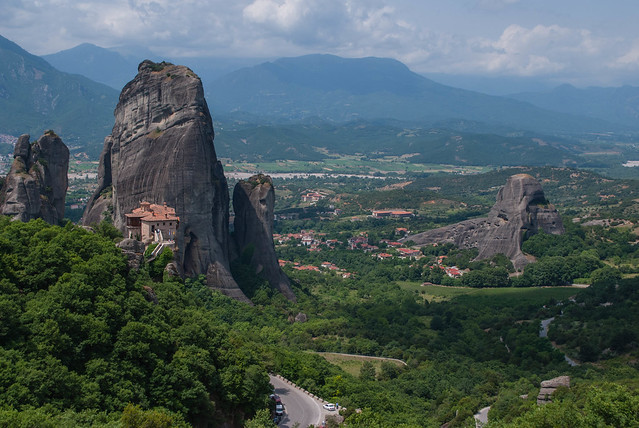
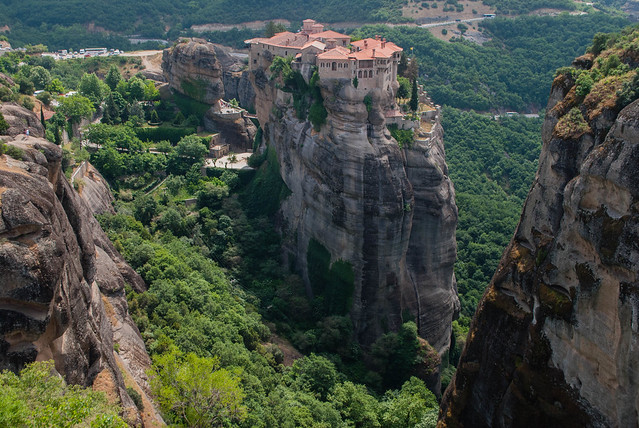

Meteora main monasteries can be visited in half a day, and the sooner you start, the less buses (and their passengers) you encounter. We could visit three of them: Saint Nicholas Anapausas, the first one we encounter, and with the highlight of the views (early morning) and a fresco by Doménikos Theotokópoulos, El Greco, from 1527; the Great Meteoron, which is huge, similar to a small town, and where most buses made a stop there, and the Holy Trinity one, which required a short hike/climb to reach. We missed the Rousanou one as it was closed, and looked really interesting to visit to.

The next stop was the Pelion Peninsula, and we headed there. The Pelion Peninsula, according to the Greek mythology, was home for centaurs, where they enjoyed life their way (wine, virgins, and countryside) in this small paradise. It is a peninsula with a linear mountain in the center, having at its western side the towns of Portuaria and Makrinitsa, overseeing Volos city at its feet, and several small towns and beautiful beaches on the other side.
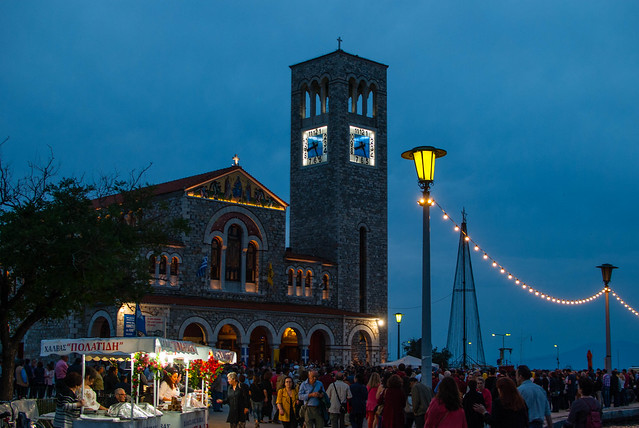
Volos is famous for the Greeks as the port where Jason and the Argonauts left. The port is still there, and although it is a relative small one, it hosts a major fleet of sailing vessels to explore the Greek islands. When we arrived to Volos on Sunday evening from the highway, it seemed a phantom city. This impression was quickly changed when we walked the promenade next to the port, plenty of bars and full of people. We also had the chance to see a procession due to the day of Saint Constantine and Saint Helen, who were the ones who found Christ’s cross. The procession was similar to the Spanish ones, with the authorities, representatives from the military and a band of music, and everyone dressed up.
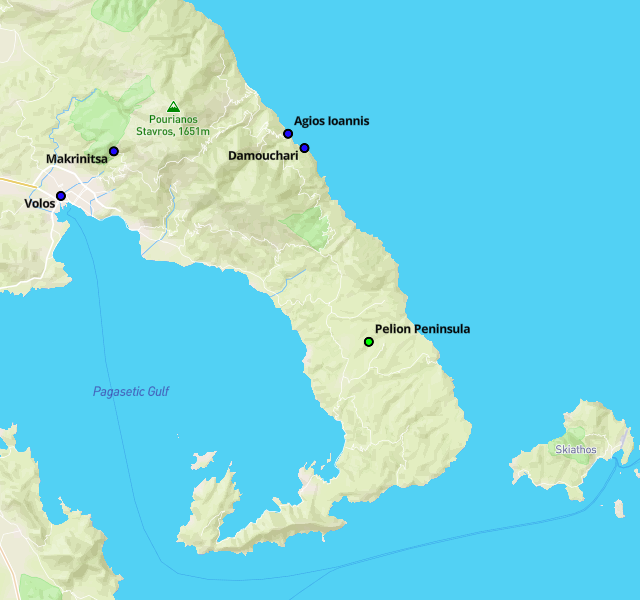
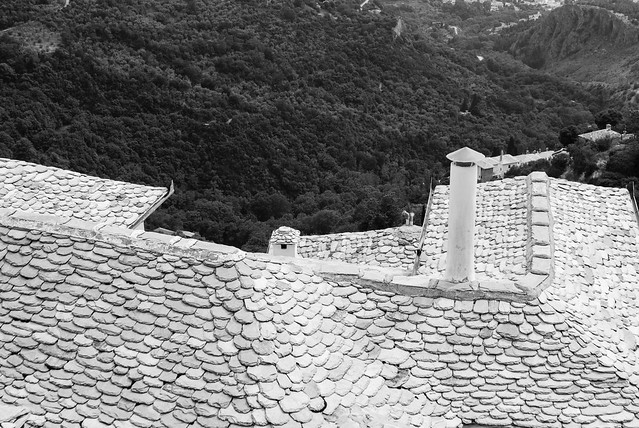
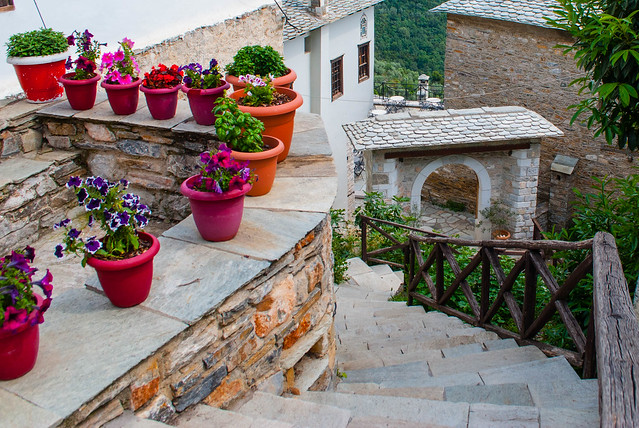
The Pelion Peninsula did not deceive us either. Portuaria and Makrinitsa are holidays destination for the local people of that area, as they are easily reachable. They are two small towns on the green hillsides, with small white houses with views to the plain and the sea, and no cars. A wonderful place for weekends and holidays for the non distant (and well off) Volos citizens.
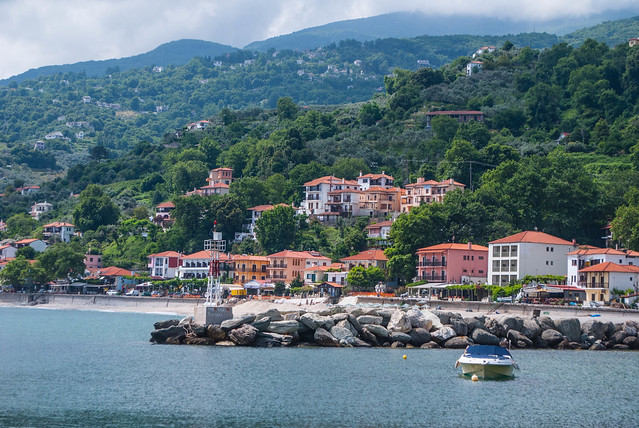
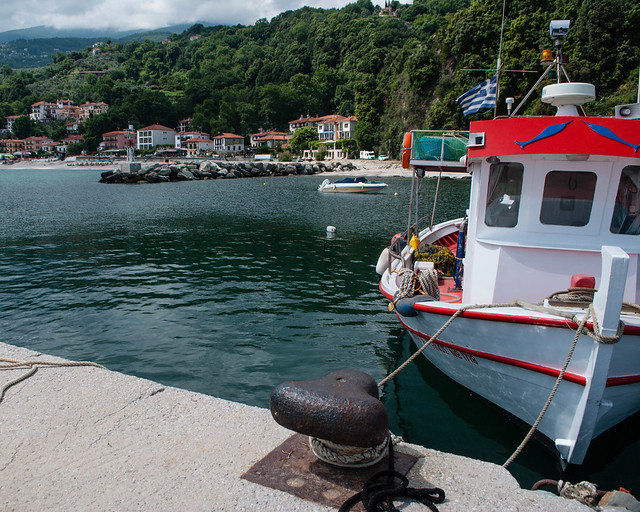
The other side of the Peninsula made us understand why the centaurs loved it there. Agios Ionais (St.John) is a small port, that was getting ready for the avalanche of tourists a few weeks later (this trip was in mid-May). I was surprised by the lack of maintenance during winter season, which was keeping everybody extremely busy those days. The frontline houses, although some of them quite old and not well maintained, conferred a nice atmosphere to this town.
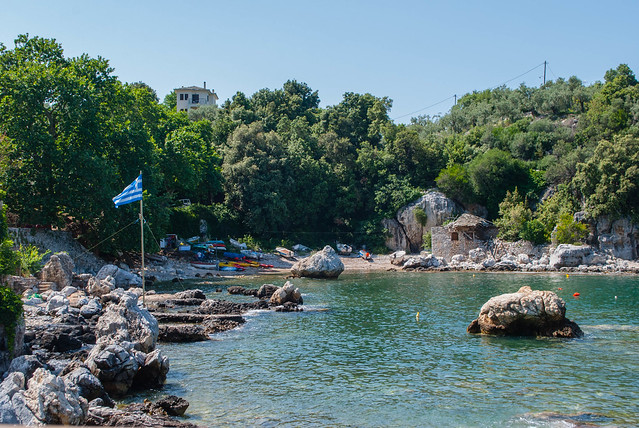
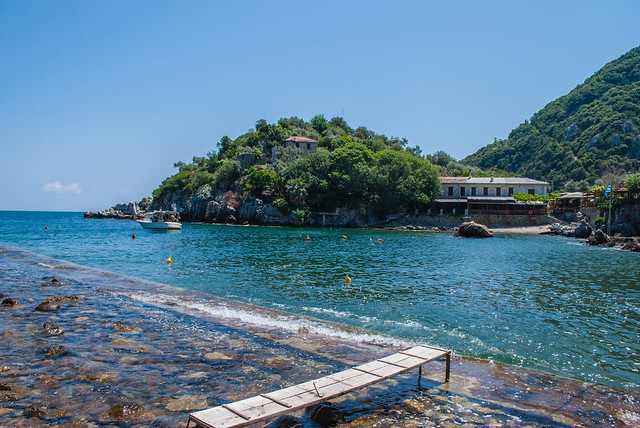
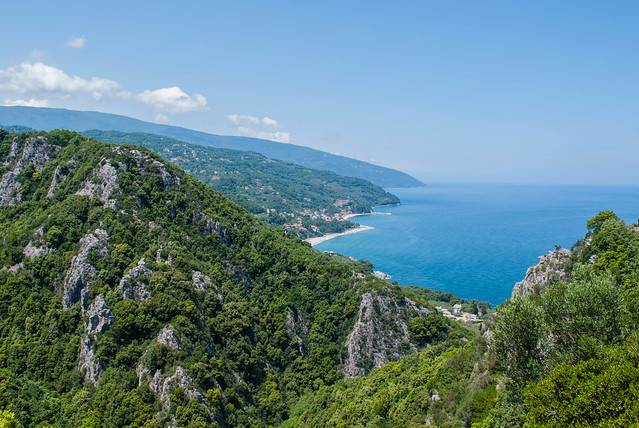
A bit more South, we reached Damouchari, a beautiful small cave, where some children were kayaking, while some people (us included) enjoyed a nice sardina lunch at the restaurant nearby. This location became suddenly famous thanks to the Mamma Mia movie, which was filmed here. Maybe that was the reason the beach nearby had few people, but all of them were Swedes. Aiming for some views, and in order to deserve the lunch, we also did some trekking up the hill nearby through a really steep path in a wonderful sunny and hot day, allowing us to see more of that Peninsula, made of three colors: the blue sea, the green nature, and the white houses.
On our way from Pelion to Delphi, the road goes really close to the Pass of Thermopylae. This location is famous for the battle between Greece and Persia, and one feels some excitement when the brown sign announcing the historical sites appear… but the excitement vanishes when you see it is just a Pass, and not as impressive as depicted in the movie “300”, where the Spartan army lead by Leonidas beat the Persian one… But the best places were still to come…
La primera travesía a Ibiza de la temporada siempre es un gran momento. Una semana navegando y bañándonos por calas maravillosas, con un grado de desconexión del día a día máximo es para esperarlo con ganas. Este año se le añadía el hecho de que era la primera vez que lo hacía con el barco “nuevo”.
Después de experiencias pasadas, la ida la hicimos escalonada; lo de embarcar y hacer una travesía de 14 horas seguidas y sin dormir no es la mejor estrategia, más aún, cuando sólo hay un patrón a bordo. Así que esta vez, salimos de puerto a primera hora, y fondeamos en una boya en la Isla de Benidorm para desayunar y darnos el primer baño. Continuamos nuestra marcha cuando los primeros barcos que iban a pasar el día estaban llegando.
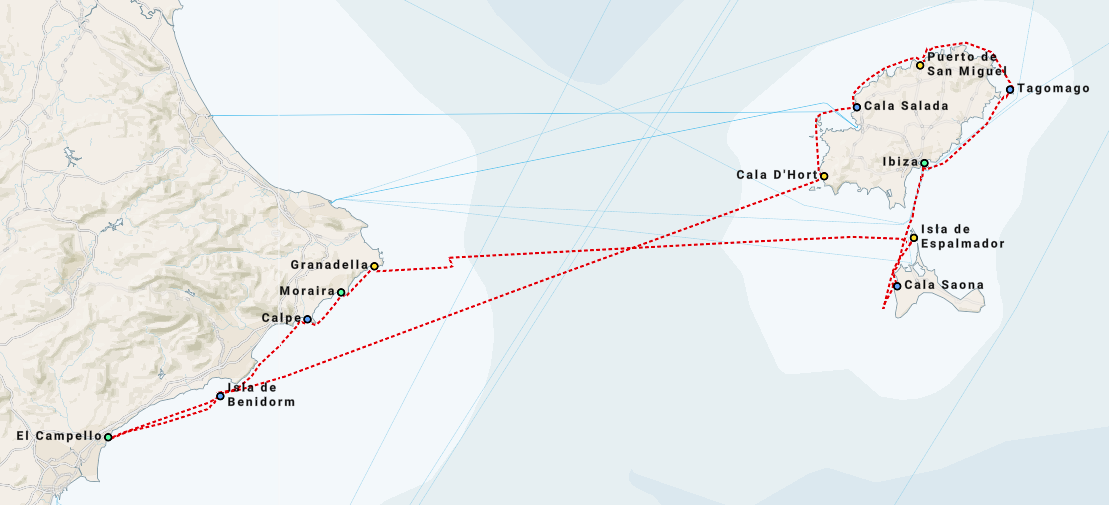
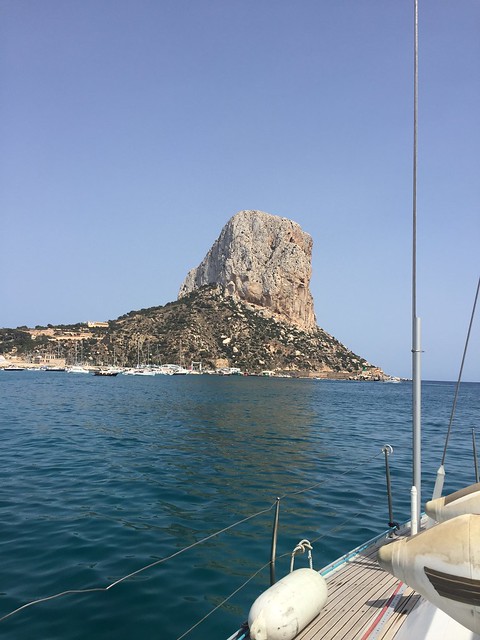
Seguimos costeando en dirección norte, acercándonos a ver la pequeña cascada que sale en la Sierra Gelada, y atravesando la bahía de Altea para fondear enfrente de Calpe para comer. Tuvimos algún problema con el enrollador de la génova en este punto, pero lo arreglamos en un par de minutos, y pudimos comer, darnos otro baño y echarnos una pequeña siesta antes de poner rumbo a Granadella, donde haríamos noche antes de cruzar a Ibiza. Tuvimos que parar antes en el puerto de Moraira, ya que descubrimos con cierto estupor que las dos bombonas de gas que teníamos estaban vacías. Después de esta parada imprevista llegamos a Granadilla, donde fondeamos en boya, y nos pudimos dar un buen baño antes de una noche en la que estuvimos totalmente solos en una cala rodeada de acantilados.
A las 5:00 de la mañana salimos hacia Ibiza. Las dos primeras horas de noche, y luego un amanecer de escándalo sobre el Mediterráneo. Cóctel perfecto, aderezado con un par de pesqueros de los que pasamos relativamente cerca, que empiezan a ser habituales en estas travesías. El resto de la travesía bastante tranquilo, desayuno en travesía, parchís (magnético, gran descubrimiento!), y alguna siesta; hasta que en la última hora y pico entró un fuerte viento de Levante que nos hizo bajar la velocidad un nudo por la corriente.
La idea era empezar con un plato fuerte a la par que tranquilo: fondear en una boya en la Isla d’Espalmador, un fondeadero especialmente tranquilo, que más que una cala, parece una piscina… Pero no contaba con que la última semana de junio ya es temporada alta… y no quedaban boyas. En media hora, el temor de no podernos quedar allí afortunadamente se disipó y se quedó libre un sitio al lado de la playa donde pasamos la noche, y las primeras horas de la siguiente mañana.
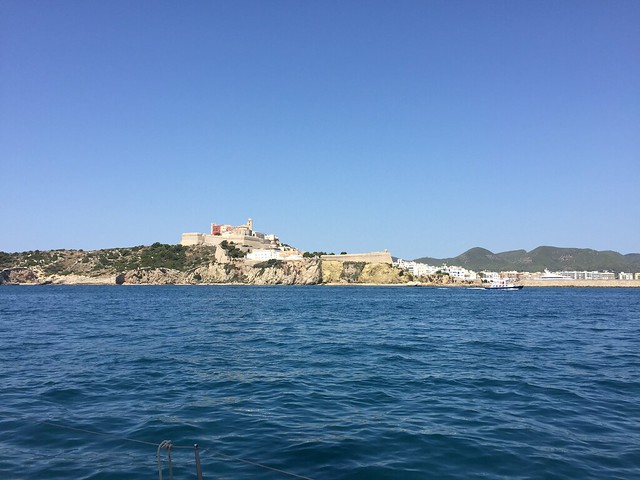
La siguiente parada fue Cala Saona, en Formentera, una de las calas con el agua más claras de todas las Pitiusas, y aunque llena de barcos, al ser muy amplia, teníamos nuestro espacio… Este fondeo sólo se vio alterado por los jaleos de algún barco cercano, y un accidente de un barco que acabó contra las rocas y ante lo que llegó, incluso, un barco de salvamento. Por la tarde, y tras conseguir in extremis un amarre en el puerto de Ibiza, navegamos un poco hacia el Sur, para luego volver a cruzar los Freus y llegar a Marina Botafoch a tiempo de ducha, paseo y cena en la ciudad.

A la mañana siguiente, emprendimos rumbo norte para fondear en Tagomago. Aunque la intención inicial era fondear en la cala Sur, no era muy practicable con el oleaje que había, así que probamos con la cala al Norte, que aunque muy profunda (fondeamos en más de 10 metros de profundidad), estaba cobijada de viento y marea, y tenía una zona de rocas interesante para bucear. Por la tarde, navegamos por el norte de Ibiza hacia Beniarrás y el Puerto de San Miguel, aunque nos decantamos por la segunda por espacio disponible (temporada alta?). Es una lástima que por la noche la paz se torne escándalo por los hoteles “todo incluido” que hay allí, pero disfrutamos mucho la mañana siguiente tranquilamente allí.
v
La siguiente parada fue Cala Salada, cerca de San Antonio, con sus características casas donde los pescadores guardaban (guardan?) sus barcas, y su entorno natural aislado de la civilización. Muchos barcos pasando el día, y una meteorología muy cambiante, que nos hizo estar pendientes de los barcos de alrededor. A media tarde, tras rodear Conejera, pusimos rumbo a Cala D’Hort, una de las calas clásicas para dar el salto a la Península, y con vistas a los dos islotes de Es Vedrà que, al verlos en el atardecer, se entiende que hayan originado tantas leyendas de energías y magía alrededor de ellos.
A las 2:30 de la mañana, emprendimos la vuelta hacia la Península, con viento y mar de popa, y esta vez con un rumbo más Sur para fondear de nuevo en la Isla de Benidorm de nuevo cerca de las 13:00. El lugar del primer fondeo del viaje fue también el último, ya que de ahí, volvimos a puerto, y empleamos el día siguiente en visitar Alicante por tierra… y en planear la próxima escapada.