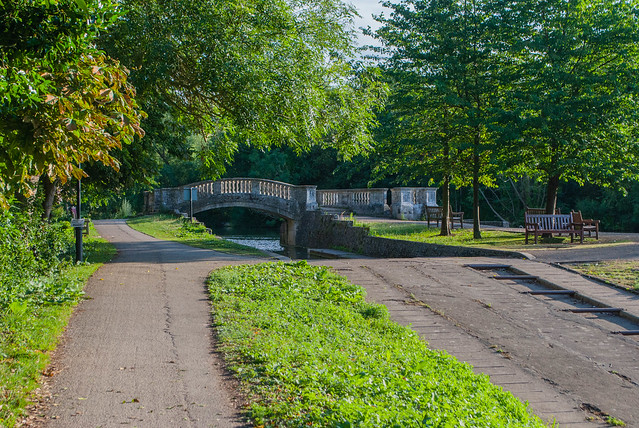
Greece is very well known for their islands and beaches, as a sun&sand destination, but those are not my typical motivations when travelling to a new destination for the moment. Instead, our visit to Greece, which would end in a conference in Athens, would not take us to the beaches but to another less popular part of Greece nowadays, but the most vibrant part in the World centuries ago.

Greece was home of the civilisation as we know it today. The Western culture, and in particular the European one, is heavily influenced by the Ancient Greek Culture, in spite of the many centuries that have passed, and the long distance that separate us. Greeks were pioneers in the use of the democracy, the philosophy, the science, and the arts 2500 years ago.
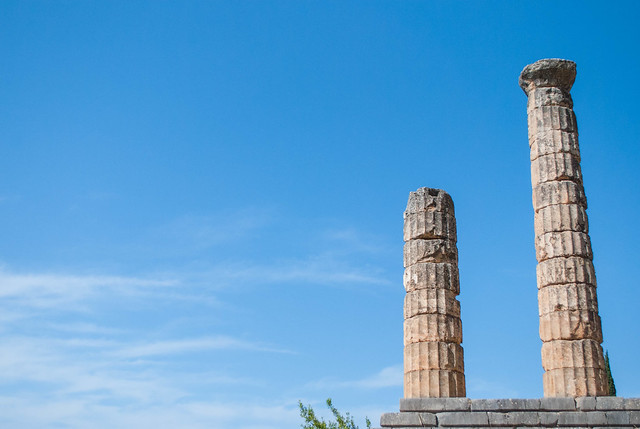
Many of the names then famous remain still today key to understand the World, and their works remain valid. Just to name a few: Aristotle, Plato, Socrates, Sophocles or Pythagoras are for sure well known to you. Their footprint in Maths was so important, that their alphabet is still used today as the default one for scientific writing. Visiting the places where they inhabited, and understanding their traditions and mythology was one of the goals of this trip, while enjoying some nature beauties of this Mediterranean country.

Our flights arrived in the afternoon to Athens airport, so we drove up North to Meteora. Meteora is not an Ancient Greek site, but still a World Heritage Site by UNESCO. It is one of those places that I had personally not heard before preparing this trip, but that became a priority once I discovered it. As of today, I also consider it the best highlight of the trip, and I do not regret of any of the (many) kilometres driven to reach there. Meteora is an area with geologic formations of rocks, with very steep sides, formed by an ancient beach and the erosion of the water and the wind. Meteora comes from the greek meteoros, which means “suspended in the air”, which is what it seems… In the 11th century, monks started to build monasteries on top of the hills. These monasteries were difficult to reach, and most of them could only be accessed thanks to pulleys which had to be pulled from the monasteries, becoming a safe refuge during different periods of times.
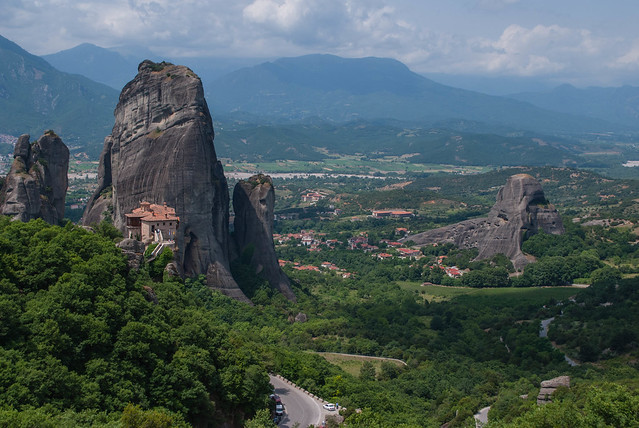
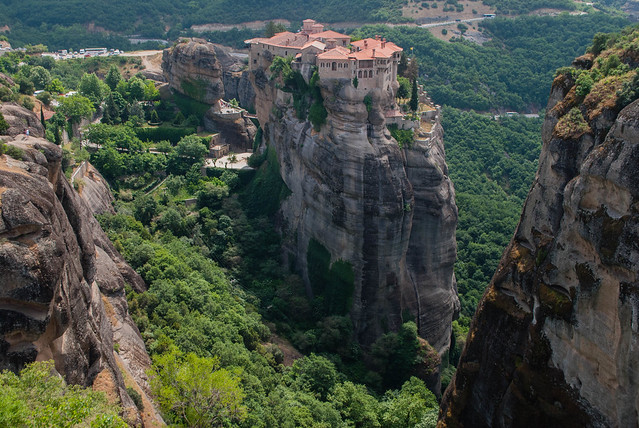

Meteora main monasteries can be visited in half a day, and the sooner you start, the less buses (and their passengers) you encounter. We could visit three of them: Saint Nicholas Anapausas, the first one we encounter, and with the highlight of the views (early morning) and a fresco by Doménikos Theotokópoulos, El Greco, from 1527; the Great Meteoron, which is huge, similar to a small town, and where most buses made a stop there, and the Holy Trinity one, which required a short hike/climb to reach. We missed the Rousanou one as it was closed, and looked really interesting to visit to.

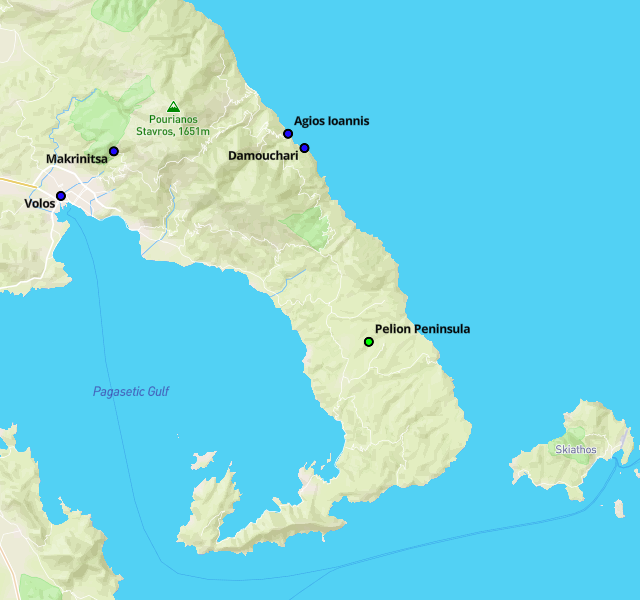
The next stop was the Pelion Peninsula, and we headed there. The Pelion Peninsula, according to the Greek mythology, was home for centaurs, where they enjoyed life their way (wine, virgins, and countryside) in this small paradise. It is a peninsula with a linear mountain in the center, having at its western side the towns of Portuaria and Makrinitsa, overseeing Volos city at its feet, and several small towns and beautiful beaches on the other side.
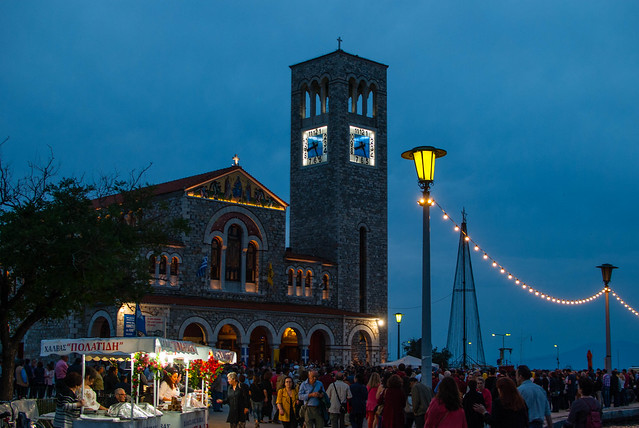
Volos is famous for the Greeks as the port where Jason and the Argonauts left. The port is still there, and although it is a relative small one, it hosts a major fleet of sailing vessels to explore the Greek islands. When we arrived to Volos on Sunday evening from the highway, it seemed a phantom city. This impression was quickly changed when we walked the promenade next to the port, plenty of bars and full of people. We also had the chance to see a procession due to the day of Saint Constantine and Saint Helen, who were the ones who found Christ’s cross. The procession was similar to the Spanish ones, with the authorities, representatives from the military and a band of music, and everyone dressed up.
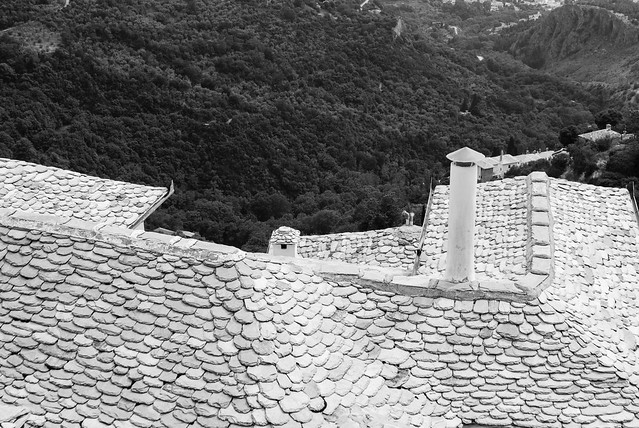
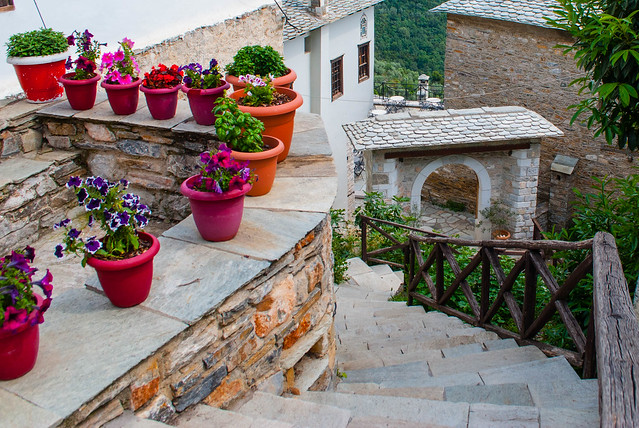
The Pelion Peninsula did not deceive us either. Portuaria and Makrinitsa are holidays destination for the local people of that area, as they are easily reachable. They are two small towns on the green hillsides, with small white houses with views to the plain and the sea, and no cars. A wonderful place for weekends and holidays for the non distant (and well off) Volos citizens.
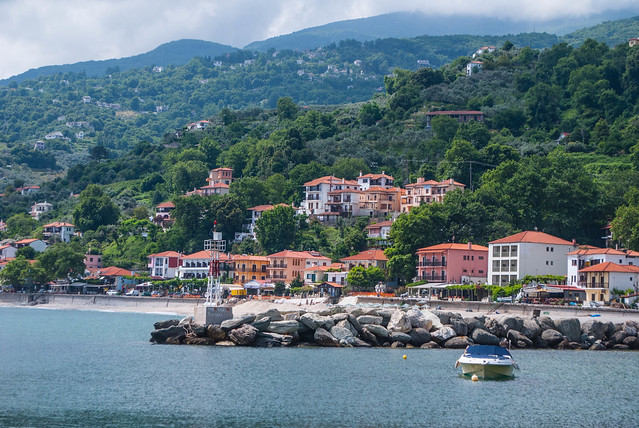
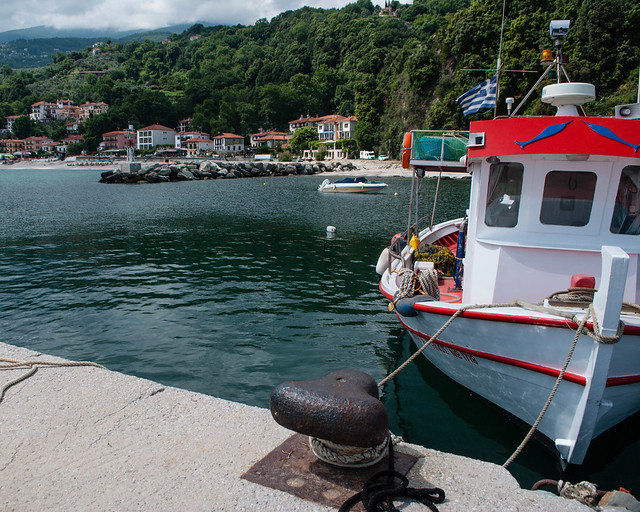
The other side of the Peninsula made us understand why the centaurs loved it there. Agios Ionais (St.John) is a small port, that was getting ready for the avalanche of tourists a few weeks later (this trip was in mid-May). I was surprised by the lack of maintenance during winter season, which was keeping everybody extremely busy those days. The frontline houses, although some of them quite old and not well maintained, conferred a nice atmosphere to this town.
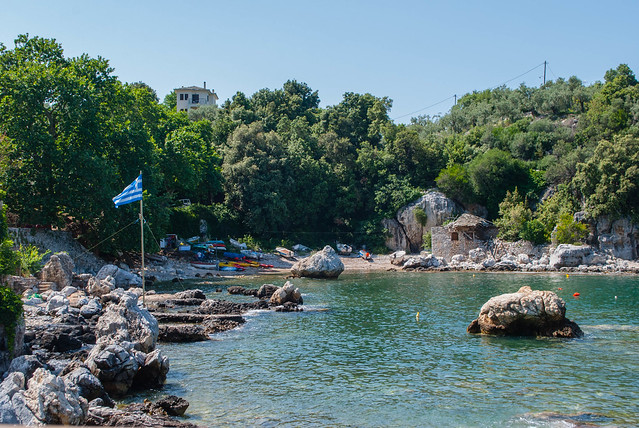
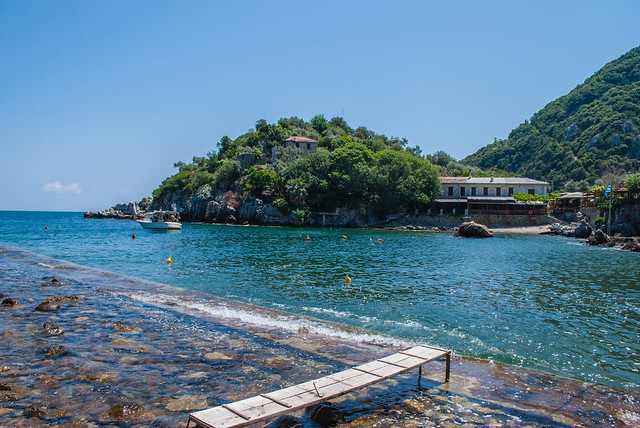
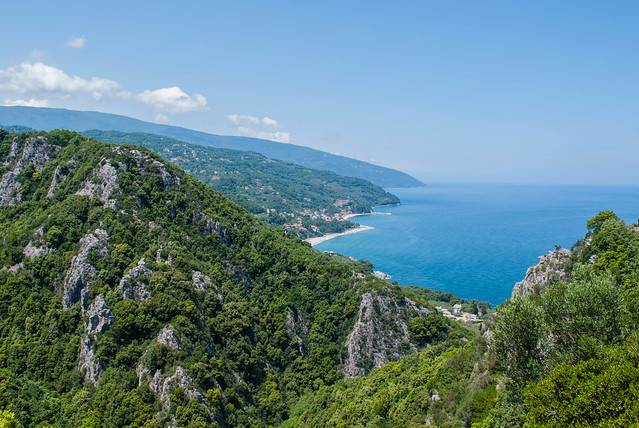
A bit more South, we reached Damouchari, a beautiful small cave, where some children were kayaking, while some people (us included) enjoyed a nice sardina lunch at the restaurant nearby. This location became suddenly famous thanks to the Mamma Mia movie, which was filmed here. Maybe that was the reason the beach nearby had few people, but all of them were Swedes. Aiming for some views, and in order to deserve the lunch, we also did some trekking up the hill nearby through a really steep path in a wonderful sunny and hot day, allowing us to see more of that Peninsula, made of three colors: the blue sea, the green nature, and the white houses.
On our way from Pelion to Delphi, the road goes really close to the Pass of Thermopylae. This location is famous for the battle between Greece and Persia, and one feels some excitement when the brown sign announcing the historical sites appear… but the excitement vanishes when you see it is just a Pass, and not as impressive as depicted in the movie “300”, where the Spartan army lead by Leonidas beat the Persian one… But the best places were still to come…
Vienna is, without any doubt, one of the most loved capitals in Europe. I had heard much about it, but had not found the moment to visit it properly, so I took advantage of a full week business trip there to start it a bit earlier and have the chance to feel what Vienna is all about.
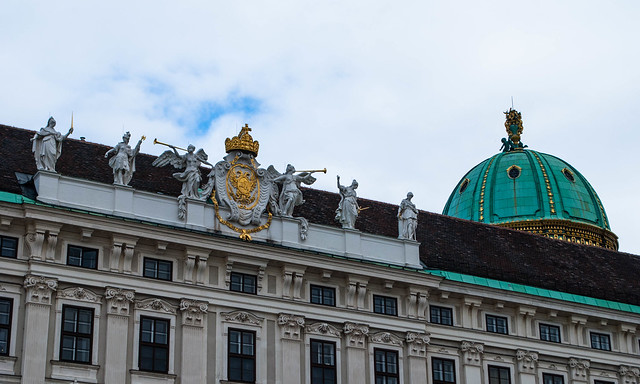
Although it is considered one of the most beautiful cities in Europe, it is not my type of city, although my perception can be slightly biased because of the weather (cold and grey) that accompanied us during our stay. The Austro-Hungarian Empire’s footprint is clear in every corner of the city, as Vienna was its capital for several centuries.
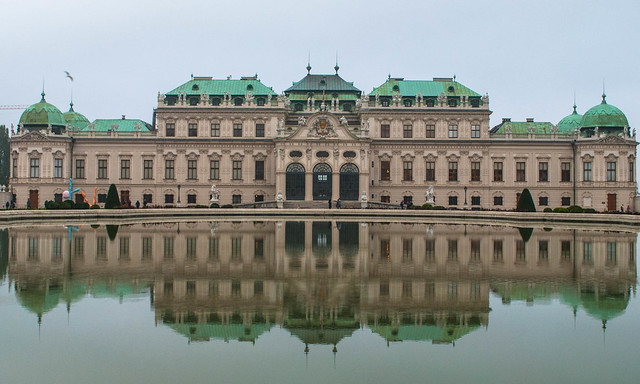
The Belvedere Palace and its garden is one of the key spots to visit. Schönbrunn is another interesting palace to visit, together with its gardens. We did not visit them during our tourist part, but I could enjoy it during a couple of early morning runs there.

But above all this, Vienna is known for the music. Most of us probably know Vienna’s New Year’s Concert in the Musicverein, which is the most popular concert in the world, but the mandatory visit in Vienna is its Opera, which is one of the busiest ones in the world, having a different play every day. It is also one of the most accessible ones, and anyone can buy very cheap tickets for that day’s play (do not expect to sit down, though).
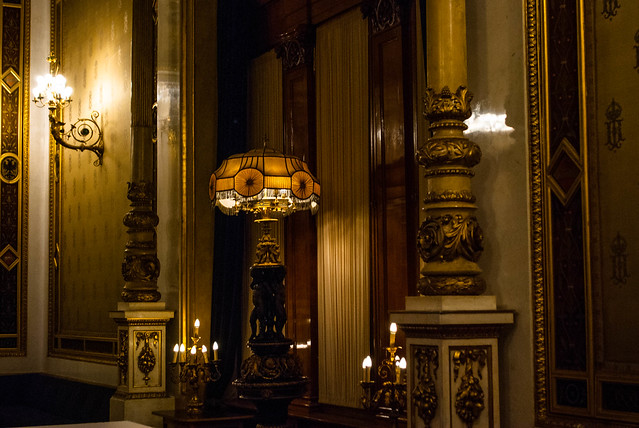
Another thing you should not miss is the National Library, which is one of those gems that can be partially visited, a masterpiece in this city.
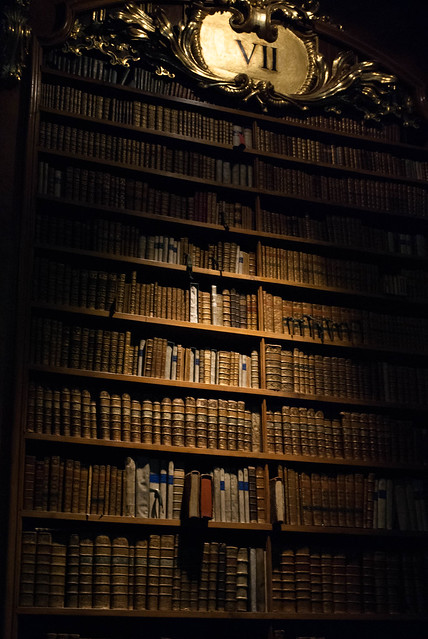
Overall, nice destination for a couple of days, and easily combined with other capitals within a short distance, like Prague or Bratislava. I will have to come back again, just for pleasure.
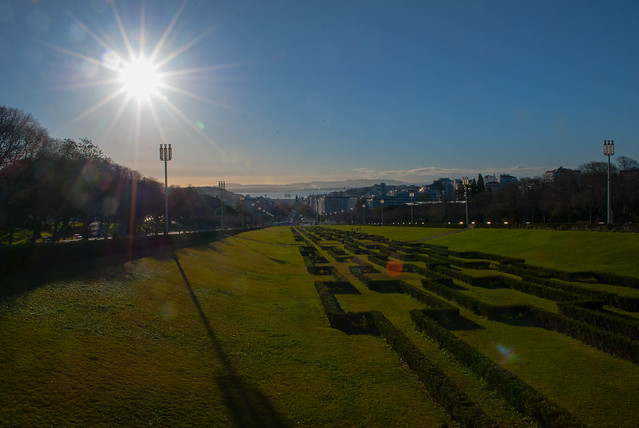
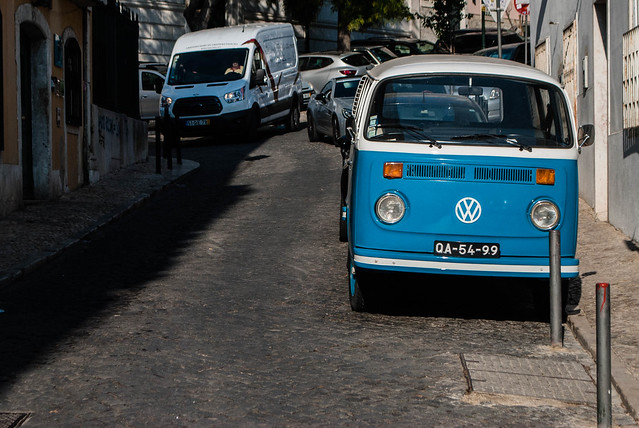
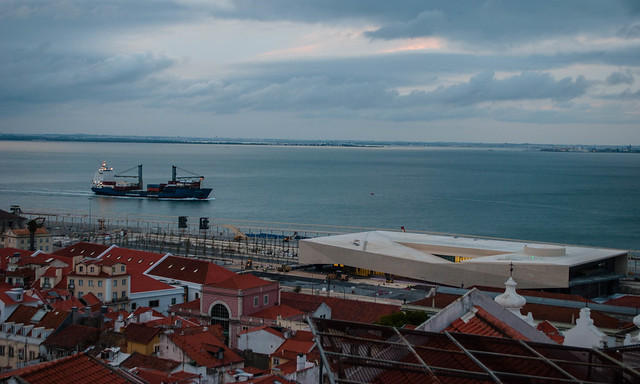
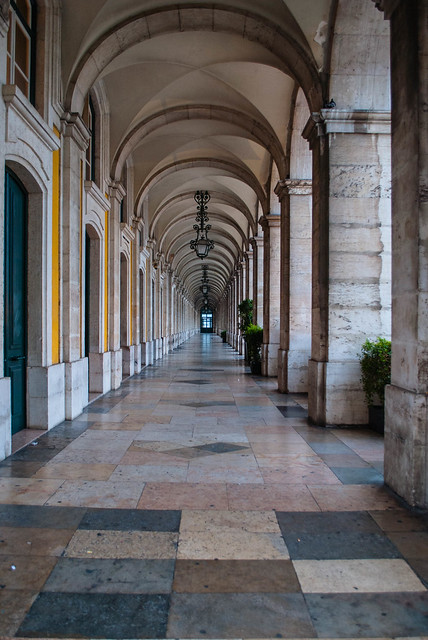
These last few months I have been lucky enough to go to Lisbon a couple of times, with some time to wander around this city at the Tagus riverside, and full of history and life. The fact of having already been a tourist in this city allowed me the opportunity to enjoy it in smaller doses (my agenda did not allow me more, either, hehe).
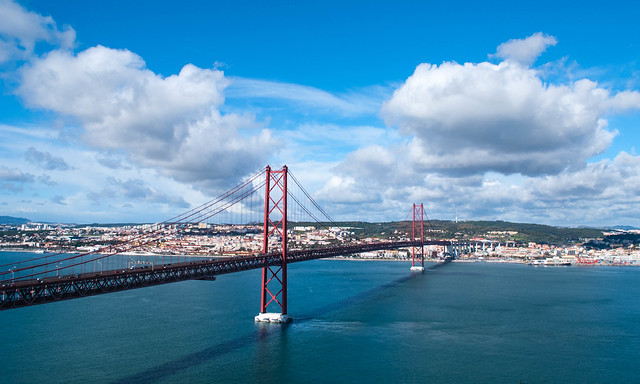
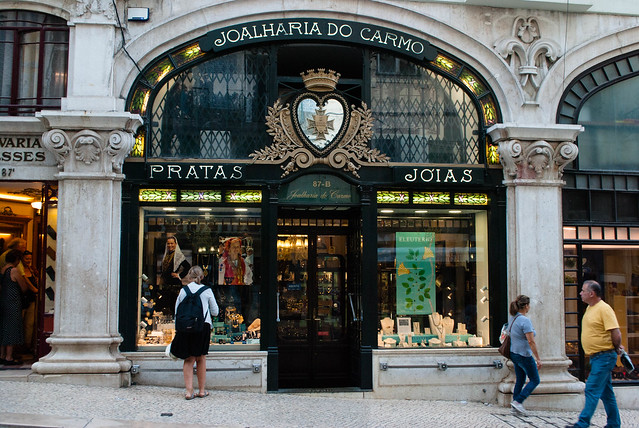
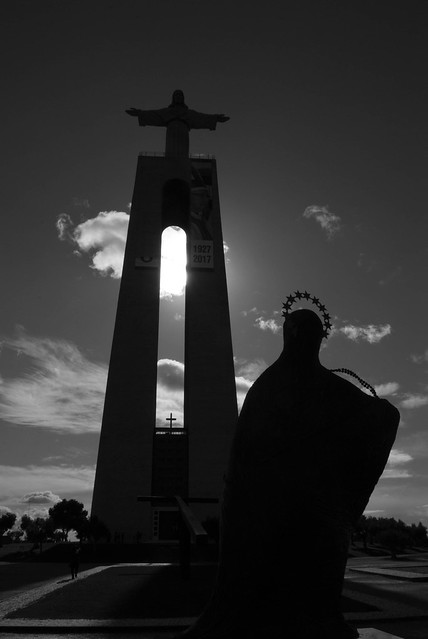
I am sure I will be visiting it soon again, but for the time being, a short post with the pictures of Lisbon 2017/2018 visits, taken mostly during an early walk through the empty streets of the city in September, and a visit to the Cristo Rei, and to Caparica, in January.
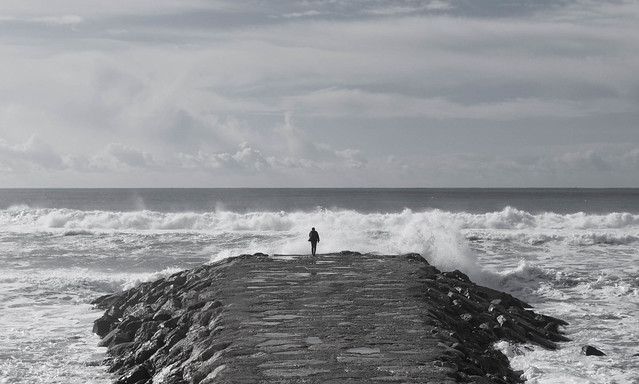

A couple of images from some early morning walks (this has become a tradition by now) in two beaches in the North of Porto: Praia de Mindelo (foggy morning) and Praia de Árvore (clear day).


Two years ago, we went to Oxford as a friend had just moved there and organized a house warming. We had a great time there, and decided to establish a new tradition for that, the Biennal Oxford BBQ, where we would come every other year to this famous city to share quality time with friends around a BBQ.


Things move fast, and this year we came back for a second and probably last time as she is moving to another wonderful city in Europe, which we will soon be visiting, of course.
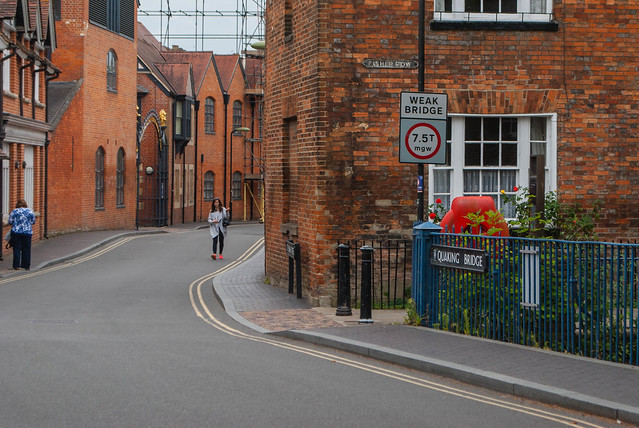
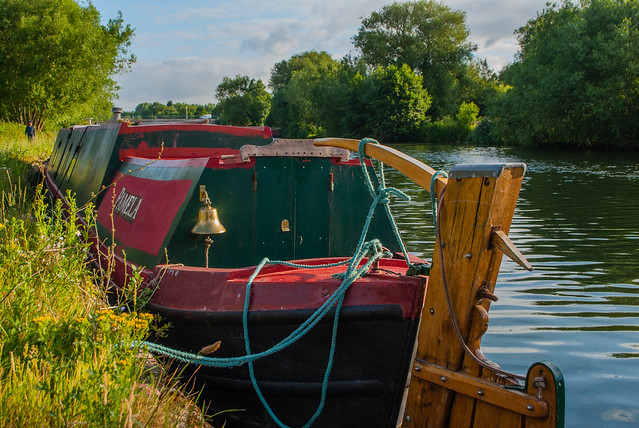

The good thing of coming back to a place you know is that you can slow down during your stay. Walk slowly, and enjoy every piece of the city a bit more. I come from a few weeks getting up early, and this weekend was not an exception, so I went for a long walk along the Thames River and into an empty Oxford, where most of these pictures were taken.