


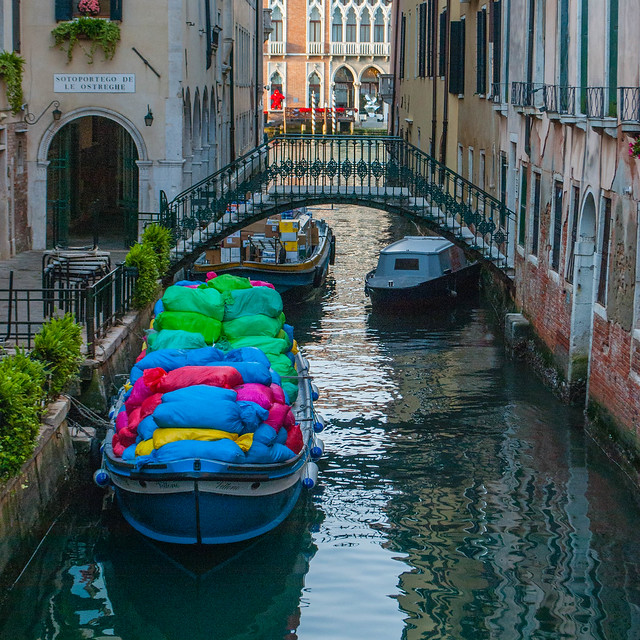
When taxi is not even an option to get to your accommodation from the airport, you already know you are in a very special place. This is the case for Venice, a city occupying completely over 100 islands, where cars have no access, and transportation looks to the water: private boats, vaporettos (the Venice equivalente to buses), water taxis, or romantic gondolas.
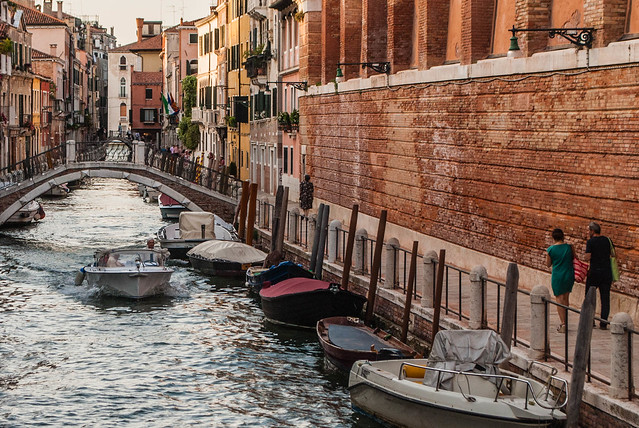
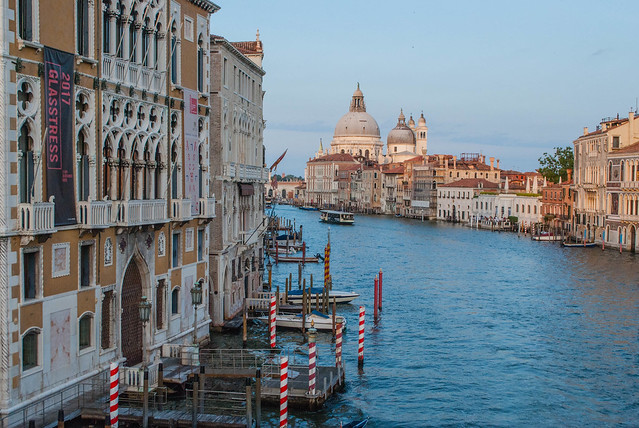
As the agenda for the weekend looks quite busy with little time for sightseeing, I decide to get up early and explore the city for a couple of hours before breakfast, and a couple of early bird colleagues join me. This happens to be a great decision, as this city of 60,000 inhabitants hosts an average of 100,000 daily visitors, which remove part of its charm, and none of them are there before breakfast. The city is almost ours.
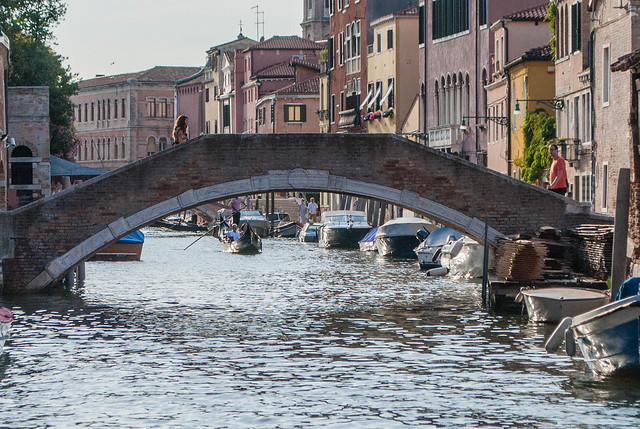
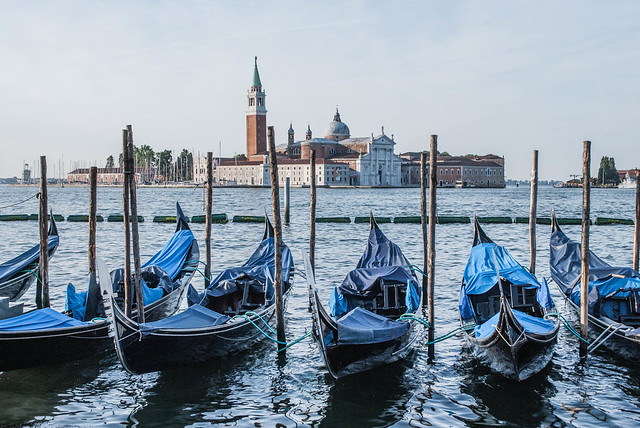
In the early morning, Venice is an empty city. The narrow streets are only populated by some young people who come back from crazy party nights out, runners seizing the few hours without intense heat, some people unloading boats with goods for the bars and restaurants, and photographers looking for the best light for their postcard pictures. They are not the only photographers you see, as the still calm Piazza San Marco hosts a number of brides and grooms photo sessions, especially Asian ones.
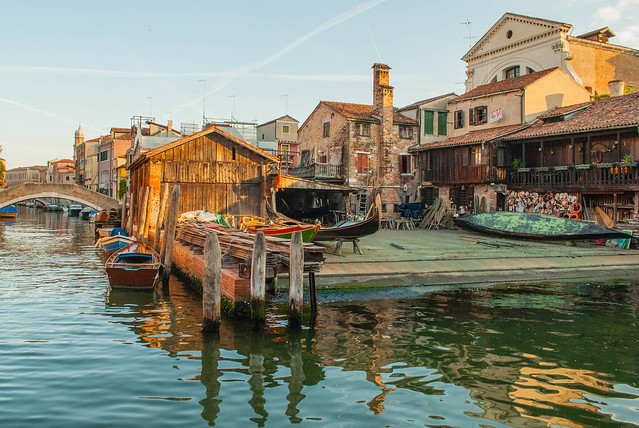
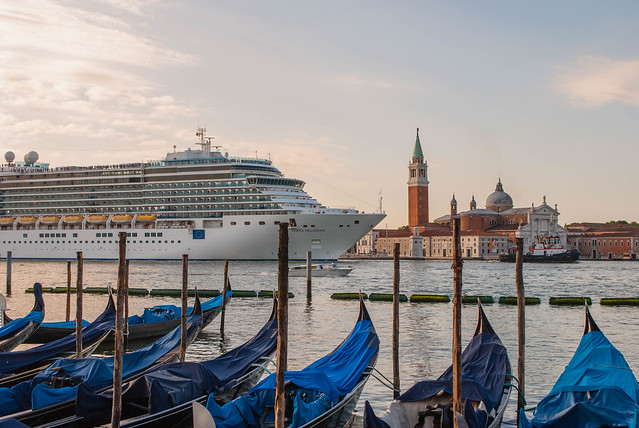
When we arrive to the Gran Canal, an image strikes us: a huge cruise is being towed by two tugboats through the canal. Later we will see several posters announcing a referendum for limiting the access of those huge boats to Venice canale. Our local colleague explains us that Venice is considering limiting also the number of tourists a day, by asking for an access fee.
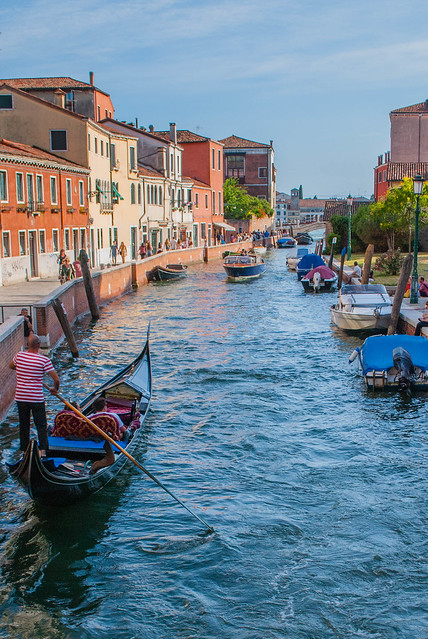
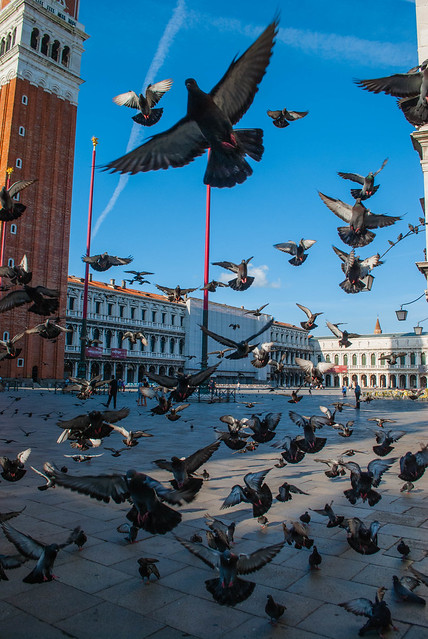
If you are planning to go to Venice, take just one advice: avoid the tourists, even if you are one of them… it is worth it.
“You haven’t been to Rome yet!?” I had heard this question for a long time, and I finally got a perfect excuse to visit it last month, counting with great “native” indications, which enhanced the experience in great manner.


I must admit that I was kind of skeptical regarding the “beauty” of Rome. For some reason, and in spite of the frequent recommendations, I was not expecting a big thing… but it did exceed my expectations. I confirmed that the often-heard sentence “Every corner you look at hosts either a ruin or a church” is not an exaggeration, but completely true.


It is so true, that one of the other frequent complaints, the traffic, is heavily affected by the ruins. They cannot build roads and buildings as they plan, because every meter they dig, they find something out, and must change the original project. The clearest case is how the Aqueducts force the street routes in the city.


Rome, as capital of Roman Empire, was in the “old good times” the biggest and most advanced city in the World, apart from the richest one, and you still feel it. This political power also led the Catholic Church to “set” their headquarters here. As Romans like to say (and I could agree with them) any regular Roman church could be a big cathedral in the rest of Europe.

If the historic perspective is not enough for you, add the excellent Italian food to the picture, and you get a great destination for a couple of free days. Have you been to Rome yet?


More pictures in this slideshow.