


Cuenca es el río Júcar, y sus acantilados; es las Casas Colgadas (que no Colgantes!); es su Catedral del siglo XIII; es su Ciudad Encantada; y es su historia marcada por estar justo entre Valencia y Madrid, a tiro perfecto para una excursión de día desde ambas ciudades, y perfecta para un finde relajado.

El río Júcar es inevitable no percibirlo ya que es el que causa toda la orografía del terreno, gracias al efecto de su agua y del viento sobre la roca calcárea, que causa ese tajo tan característico. Tajo sobre el cual cuelgan las Casas Colgadas que tanta fama dan a la ciudad, y que parece que se vayan a caer de un momento a otro. Su catedral del siglo XIII gobierna la plaza central de Cuenca y su PORTAL es impresionante; y la Ciudad Encantada es una clase de geología en vivo y en directo. Por supuesto, Cuenca es también comer bien, y protegiéndonos del frío con algo ligero: no dejéis de probar el morteruelo, una pasta hecha con carne de caza que te hará recuperarte de todos los males.


Por último, su ubicación, tan valiosa hoy en día, también lo fue durante la Guerra Civil, por lo que siempre fue objetivo y formó parte de la retaguardia de ambos bandos. Una visita bastante recomendable por lo espectacular de la construcción es el refugio antiaéreo que se construyó para defender a la población de los diarios ataques aéreos alemanes e italianos. Aunque he visitado bastantes refugios antiaéreos, el de Cuenca es, quizás, uno de los más espectaculares ya que fue hecho a base de mazas, barrenas y dinamita, cuyas marcas aún se pueden ver y su ubicación debajo de un monte le da algo especial…. Tan especial que, después de la guerra, y antes de hacerlo visitable, se utilizó para criar champiñones.

[AFG_gallery id=’10’]
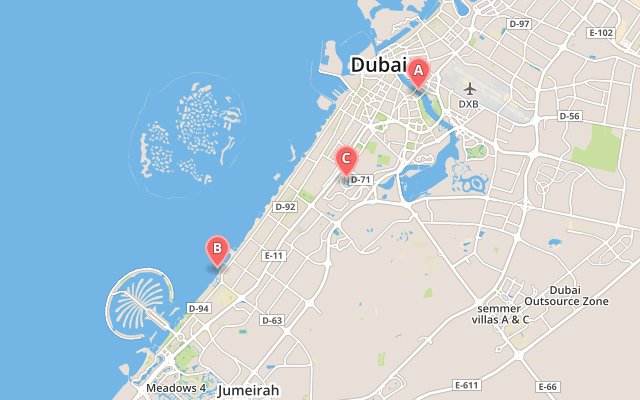
After more than 10 times in their airport, it was time to stop for one day in Dubai, and see what the most famous city in the Persian Gulf was all about.
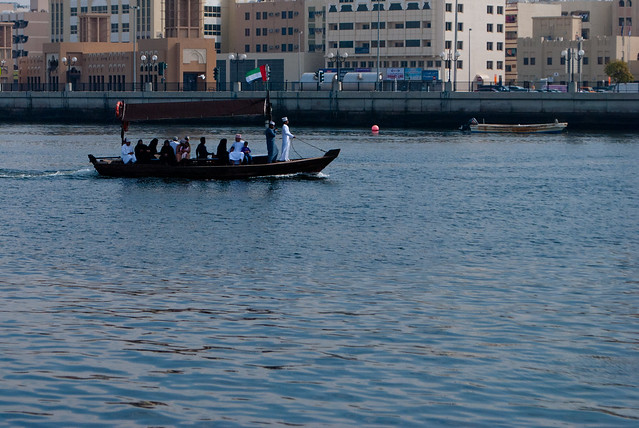
I landed very early on a Friday morning, and started having the first issues. Friday is the rest day in the Muslim countries, and, while hearing to the morning pray in the airport, I discovered that Friday morning people are not expected to take the subway, not even from the airport. So I took a taxi, when it was still dark.
 I started going to the Creek (A), where the port is located, and I found a big group from India doing yoga while the air is filled with the praying calls from the Mosques from all over the city, in what it seemed a competition to be heard more than nearby one.
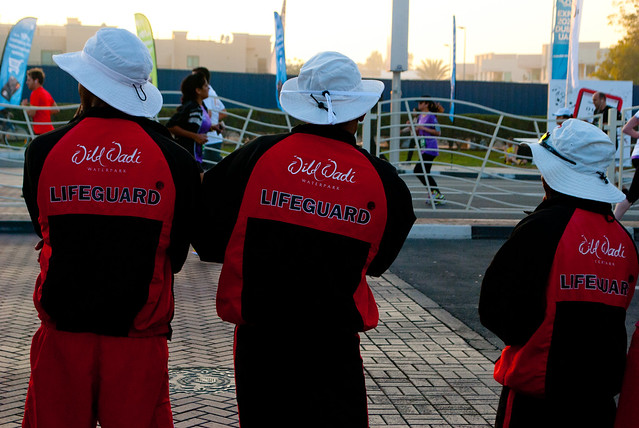
 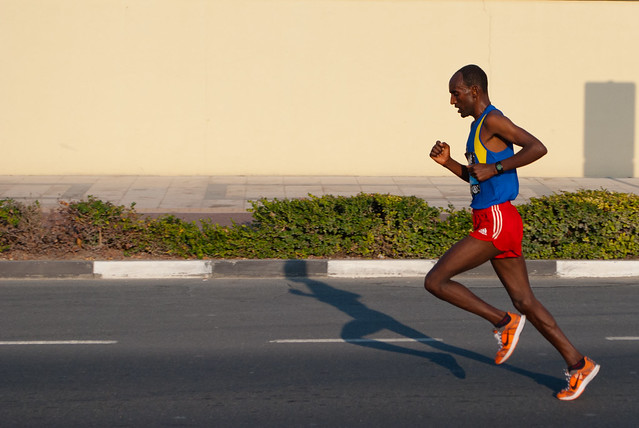 After seeing there was not much else to see for the moment there, my next stop was to go to Jumeirah (B) in the Southern part of Dubai, where the famous Burj Al Arab building sits, and I found that the Dubai marathon was taking place that day. This complicated slightly the logistics for the rest of the day, but I managed to walk around Jumeirah to see the mansions and cars in that (good) area of the city.
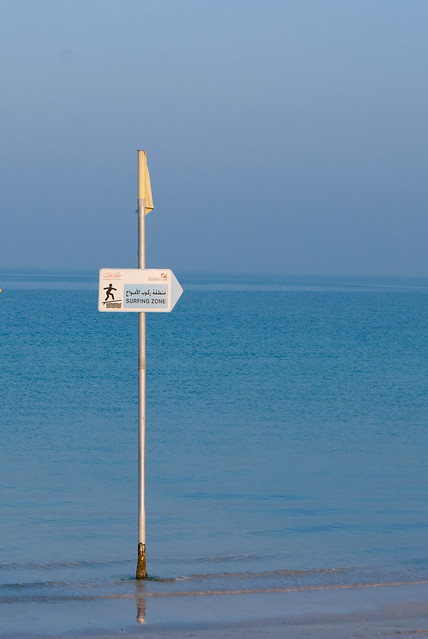
 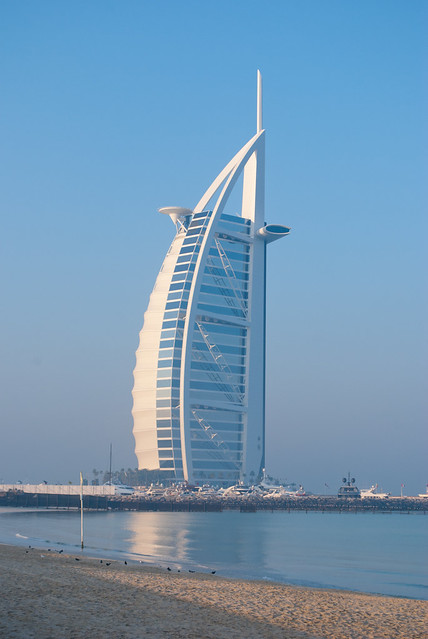 It is interesting to know that Dubai has some beaches, although not all them are open to the public. Some hotels have their private beaches, and there are some others that although they are open to the public, people have to pay to use them.
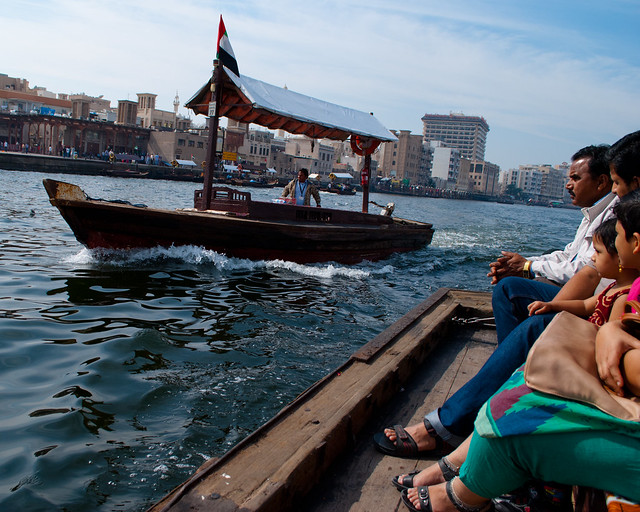
  After some hours, the metro was finally opened, and I discovered something I had seen previously in Japan: an only-women car; and something new: a Gold passengers car, this latter with physical separation from the rest. The next stop was the Creek again to see a different picture. Instead of silence and people doing yoga, it was now crowded of people walking around. The Creek was full with abras, small boats that are continuously crossing to the other side of the Creek, full of people, and total lack of safety, but the distances are short… and I can swim.
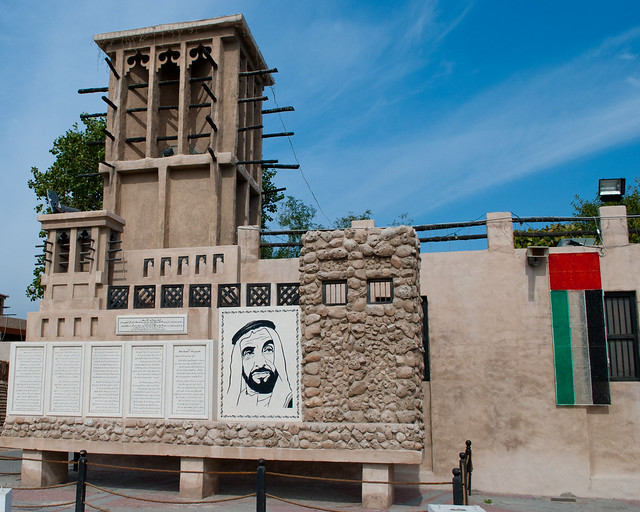
  The old part of the city seems to be a fake, because it has gone through a complete renovation, and I found it not very interesting. On the other hand, it was more interesting to visit the Gold Market. Here you can buy gold per grams, or see the tailors working on the surroundings of the bazaar, where most of the business is developed by Persian merchants, who established here first in the end of the 19th century.
  The evening was the perfect time to go to Burj Khalifa (C), the highest building is the world which was made for the sake of it: there is no need to build such a skyscraper in the middle of the desert, unless you want to show off, which is the case. I was told in a flight many years ago, that the building was going to be named something else, but a couple of weeks before the official opening, the sheikh that had financed the construction asked to change the name to his, in spite of having the whole ad campaign and merchandising products with the previous naming, but who cares…
 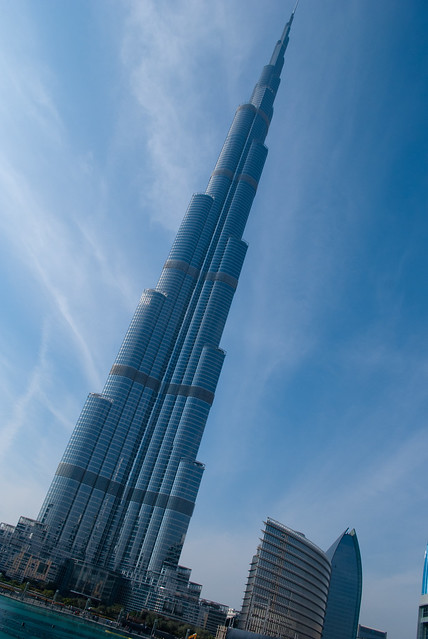 This building is an impressive construction by Adrian Smith, which is seen from the whole city. During the night it is a very narrow set of lights (probably to avoid one of the many Emirates’ Airbus A380 to crash), and during the foggy mornings just a soft shadow.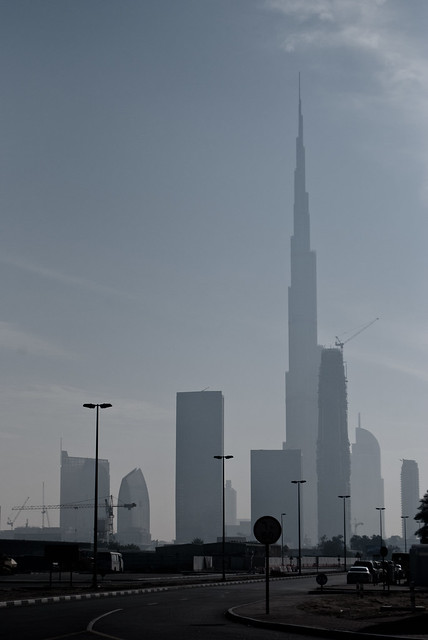
When you are close to it, it is a breathtaking view. It is also recommended to go up and see the sunset (fog permitting), and look down to see how small things are seen from the top of the highest building in the world.
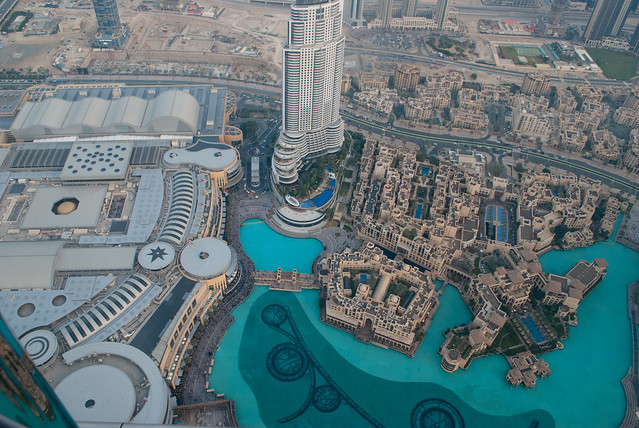
Burj Khalifa is not only the highest skyscraper, but also one of the biggest malls in the World. A huge Aquarium, an ice rink and thousands of shops is worth a visit.

[AFG_gallery id=’9′]

No hay mejor manera de despedir el verano que a bordo de un velero. Esta vez el afortunado de tenernos a bordo fue el Malta Blue, un Dufour 40, con base en Alicante, con el que recorrimos media provincia durante 4 días bajo unas condiciones idóneas para la práctica de la vela… sobre todo si vas en un barco tan “regatero” como éste. Debido a lo movido de la previsión, decidimos dormir todas las noches en puerto, sin destacar ningún percance en ninguno de los atraques y desatraques.
Salimos del puerto de Alicante (1) directos al pequeño paraíso que es la Isla de Tabarca (2) donde fondeamos y nos tomamos un arroz de manual. La digestión la hicimos en dirección al puerto de El Campello (3), donde llegamos poco antes que anocheciera.

El segundo día, con 20-25 nudos de viento real del NE según el anemómetro del barco, nos dirigimos al Islote de Benidorm (4) donde esperábamos poder encontrar un poco de refugio en las boyas, pero las únicas que había estaban bastante expuestas. Aún así, conseguimos amarrarnos a una de ellas y disfrutar de una movida comida, para partir hacia el Puerto de Altea(5) en lo que sería el tramo más animado del viaje: el viento ya estaba formando olas de cierto tamaño que nos entraban de través en el barco.
Al día siguiente, fondeamos en el Mascarat (6), cerca de Calpe, para emprender el camino hacia el Sur de vuelta por la tarde. Este tramos hasta el Puerto de Villajoyosa (7) fue el más rápido de los 4 días gracias a que tanto el viento como las olas venían de popa y la velocidad media según GPS fue de más de 7 nudos. Llegamos tan pronto que hicimos unos cuantos virajes delante de Villajoyosa para no llegar demasiado pronto al puerto.

El último día, domingo, fue el más calmado, fondeo en la Playa de San Juan (8) para comer, bañarnos, y saludar a la familia desde la distancia, y tranquila vuelta al Puerto de Alicante por la tarde con tiempo para repostar, atracar, terminar de recoger y darnos una ducha en el Puerto. El colofón lo puso la horchata en la Explanada antes de volver a Madrid.

Julio. Córdoba. Dos palabras que dentro del ámbito de las decisiones racionales nunca deberían ir unidas, pero que por gajes del destino y muy buenas razones (una boda de amigos muy queridos) el año pasado sí lo estuvieron.

Fue una visita un poco exprés porque la boda no era en la capital, pero nos dio tiempo a hacer un poco de turismo y comer con algún amigo perdido por allí. Una visita a Córdoba no se puede considerar tal si no incluye una visita a la Mezquita de Córdoba, que aunque ya no ejerce como tal, conserva todo el arte musulmán previo a la reconquista intacto (menos en aquella zona donde se ha instalado una iglesia cristiana, claro está).

La visita a la mezquita debe ser seguida por un paseo por la judería con o sin destino. Cuando voy por esos barrios de casas blancas y calles estrechas, me recuerda al barrio de Santa Cruz en Sevilla, con muchas tardes de domingo perdidas por allí, y acabar observando el puente romano que cruza el Guadalquivir.

En este caso, la ruta acabó con una comida basada en salmorejo-fusión (alguno de los salmorejos no tenía ni tomate!) en el Mercado de la Victoria, un mercado reconvertido en lugar de tapas, al estilo del Mercado de San Miguel o de San Antón en Madrid.

A la vuelta de Córdoba y de la boda, antes de llegar a Madrid, nada mejor que parar en las Tablas de Daimiel. Un lugar cientos de veces visto anunciado en la A-3 y en la A-4 y nunca visitado. Probablemente no fuimos en la mejor época (julio) ni por cantidad de agua, ni por cantidad y variedad de aves. Los humedales, formados por el agua del Guadiana, ofrecen cobijo a una gran variedad de fauna a lo largo del año. La visita está cómodamente organizada con diversas rutas que discurren entre los humedales y permiten la observación de las diversas aves que lo habitan.
[AFG_gallery id=’8′]

Fin de semana tranquilo, a bordo del Faluca II. Justo entre dos puentes en Madrid, y con poco tráfico hacia Levante. El mar, apto para todo tipo de sensibilidades y estómagos. Fuimos con mar de popa casi toda la travesía, y el viento tampoco nos dejó exprimir al máximo el velamen. El objetivo de este fin de semana (ir un poco más allá en probar nuestras capacidades marineras estando “al mando”) se cumplió sobradamente: fondeos (y desfondeos) exitosos a la primera, noche fondeados en cala, embarcación auxiliar con motor, atraco en boya, e incluso baño en alta mar (si no sopla viento de navegar, es que hace tiempo de bañarse).
Siguiendo los consejos de un gran conocedor de la zona, salimos de Denia, y paramos a comer en Granadella (1), una cala espectacular y que yo sólo conocía por Instagram (y sin haberlo preparado, me ha salido un pareado), para seguir la travesía hacia el Sur y fondear en El Portet (2) en Moraira. Al día siguiente, vuelta hacia el norte, baño a un par de millas de tierra (el mar era una piscina de agua salada), y rumbo a Jávea a practicar atraque en boyas (3) y comer. Por la tarde, tras cruzar el cabo de San Antonio, por fin subió el viento (en el puerto esto no parecía tan buena idea), e hicimos un par de virajes por aquello de ponerle un poco de salsa, a puerto y de vuelta a casa,